Observe before bringing plants home
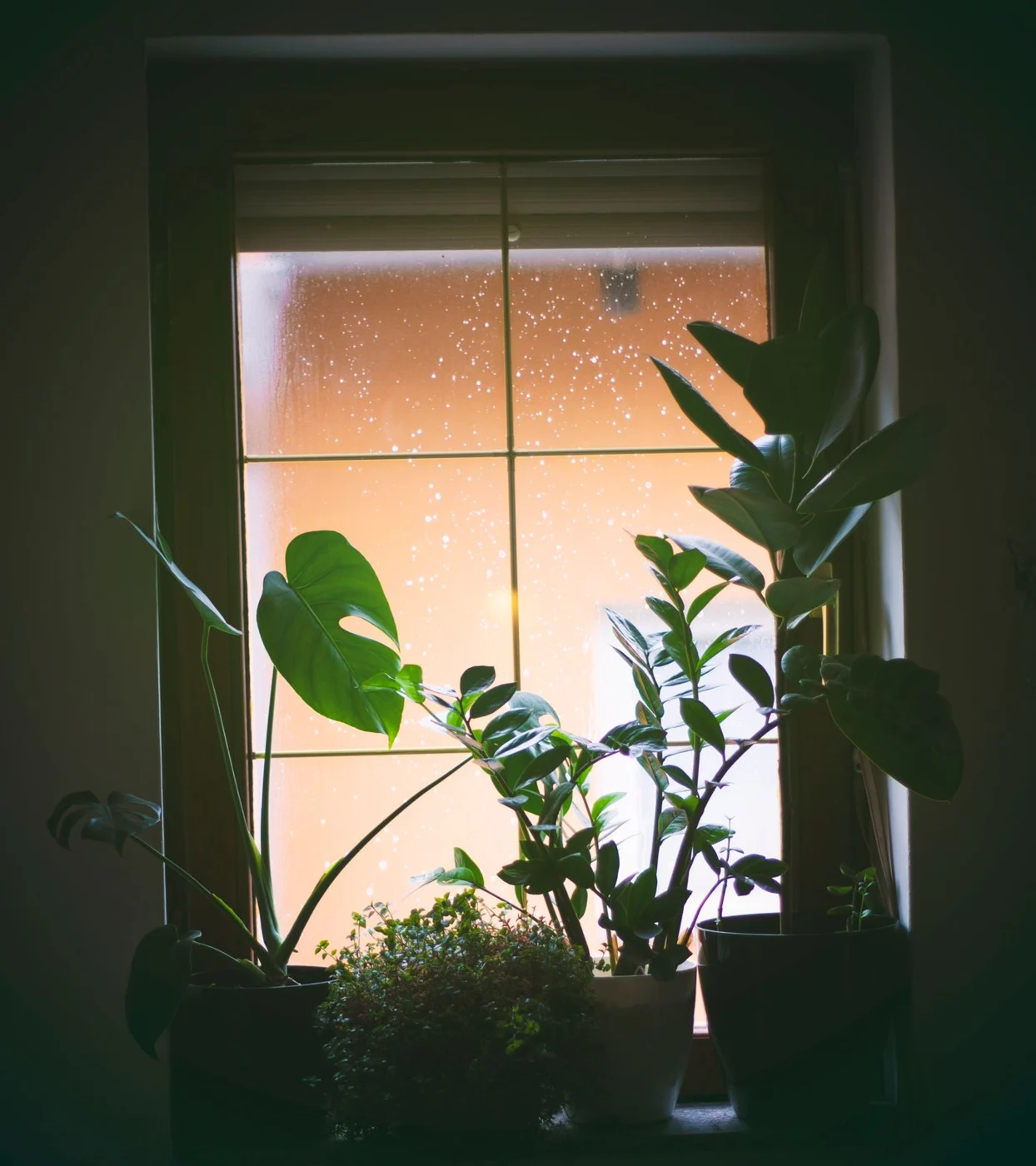
On a representative day, note when the proposed plant positions receive direct sun. Distinguish the railing area from the place beside the wall. A balcony above, side wall or tree can create substantial differences. Compass direction provides a starting point, but does not describe every corner individually.
Repeat the observation as conditions change. A bright spring position may become shaded by leafy trees later. Summer sun may also heat a sheltered corner more strongly. Choose plants for those actual conditions and the requirements of their species, rather than only for flower colour.
A balcony with moving shade
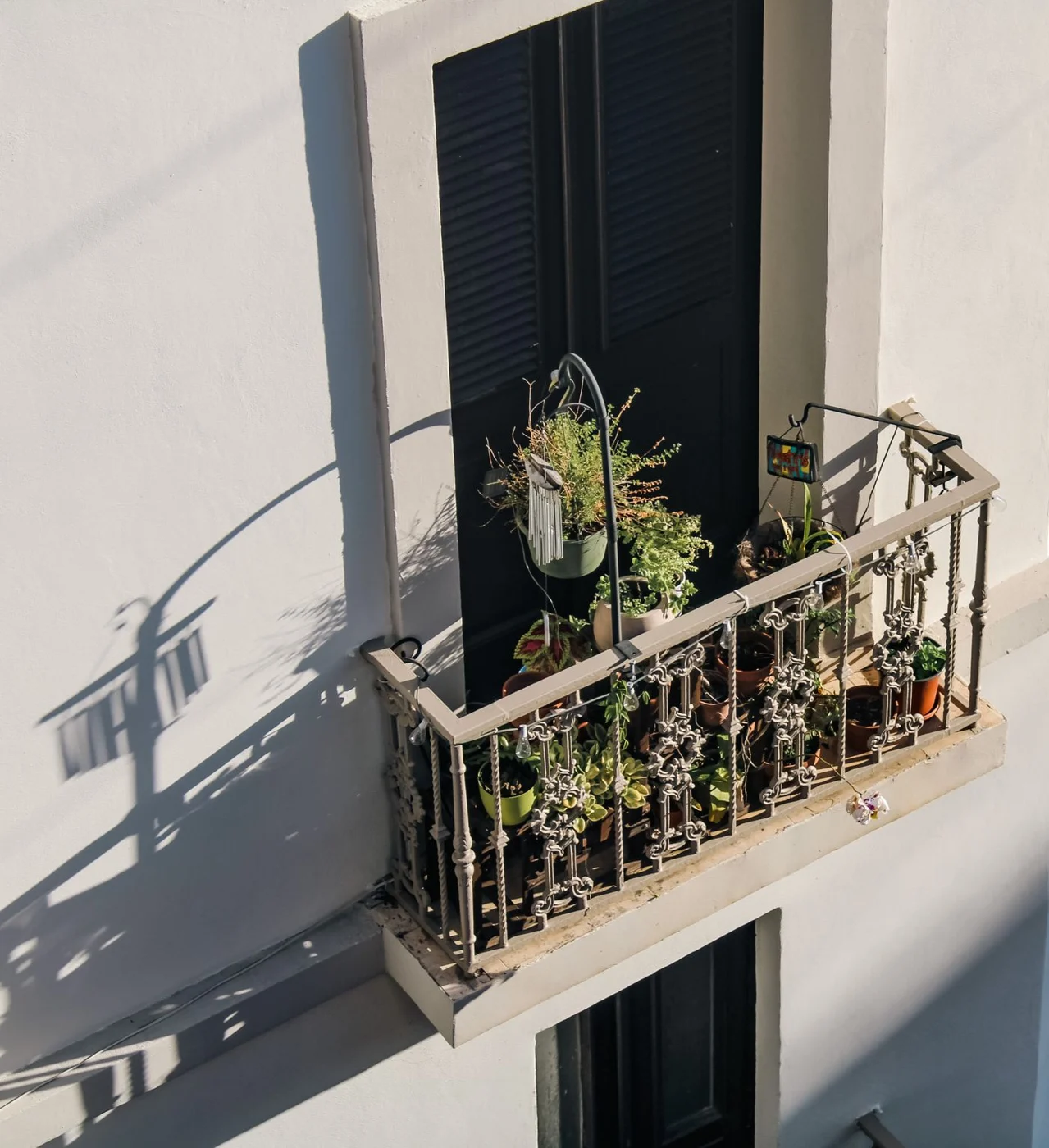
Where a side wall shades the balcony only in the afternoon, neighbouring pots can experience quite different conditions. Mark the shade line at two or three relevant times on a simple sketch. A plant need not stand exactly where its pot looks best beside the table. Move the container within the safe usable area before changing its care.
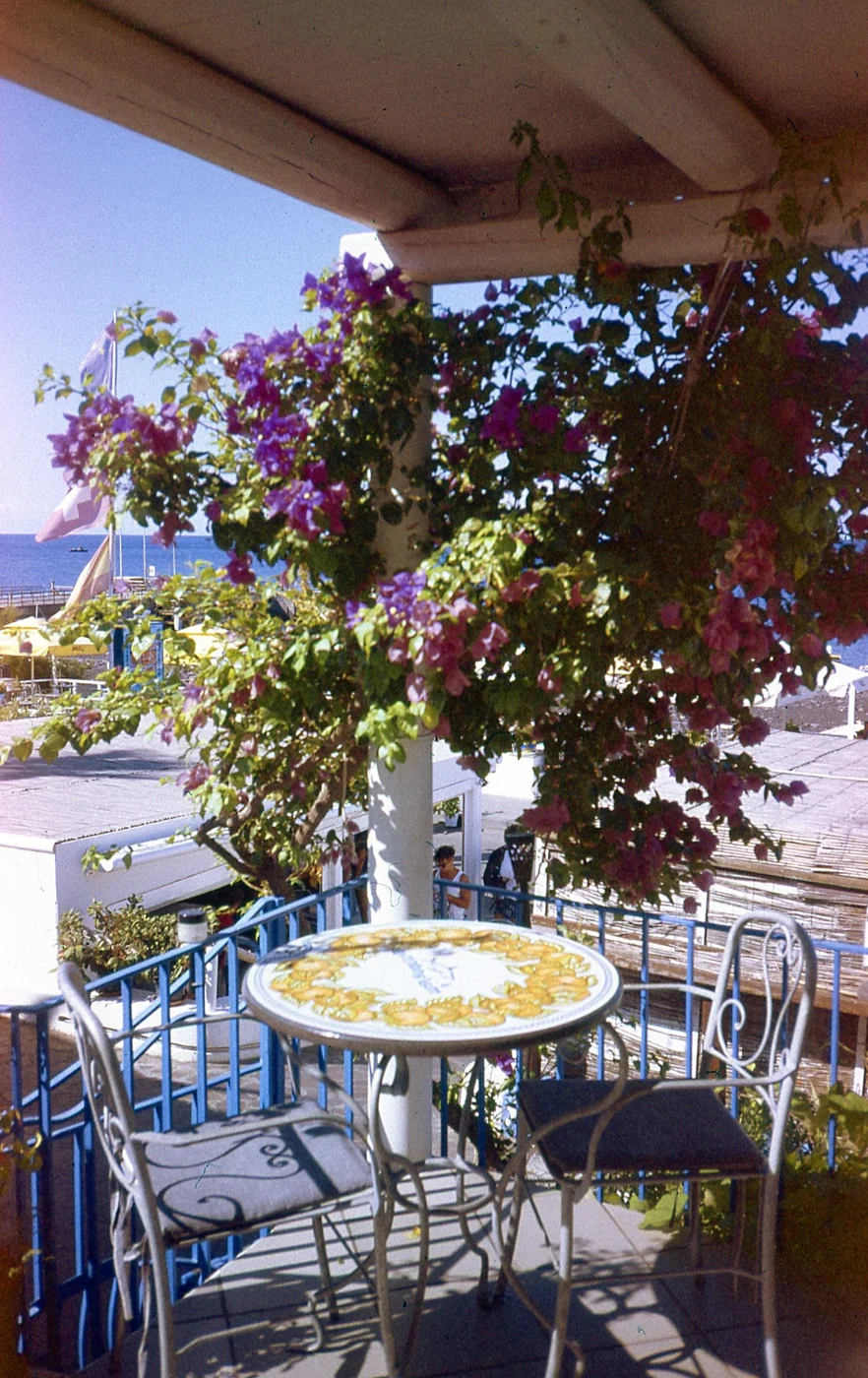
On a deep balcony, distance from the open edge matters too. Bright sky may make the rear feel pleasant while a sun-loving species receives too little direct light there. Combine observation with species requirements. Do not assume all green-leaved plants accept identical conditions.
Keep some spare area for seasonal adjustments. Growing plants may shade one another and alter the original distribution. An unfilled corner lets individual pots move without blocking the seats. That reserve is part of a usable planting arrangement, not necessarily a reason to purchase another plant.
Include wind and watering
A bright balcony may also be exposed to wind. That affects plant selection and container security. Large leaves and tall growth need different consideration from low, compact plants. Use attachments suitable for the position and establish the building's requirements. Decorative placement should not make a pot a hazard.
Check how watering will be done and where excess water goes. A container far outside the usable area is poorly placed if reaching it requires unsafe leaning. Pots and saucers need to suit both plant care and drainage. Rain should not leave water standing unnoticed inside a closed decorative container.
Begin with a manageable selection
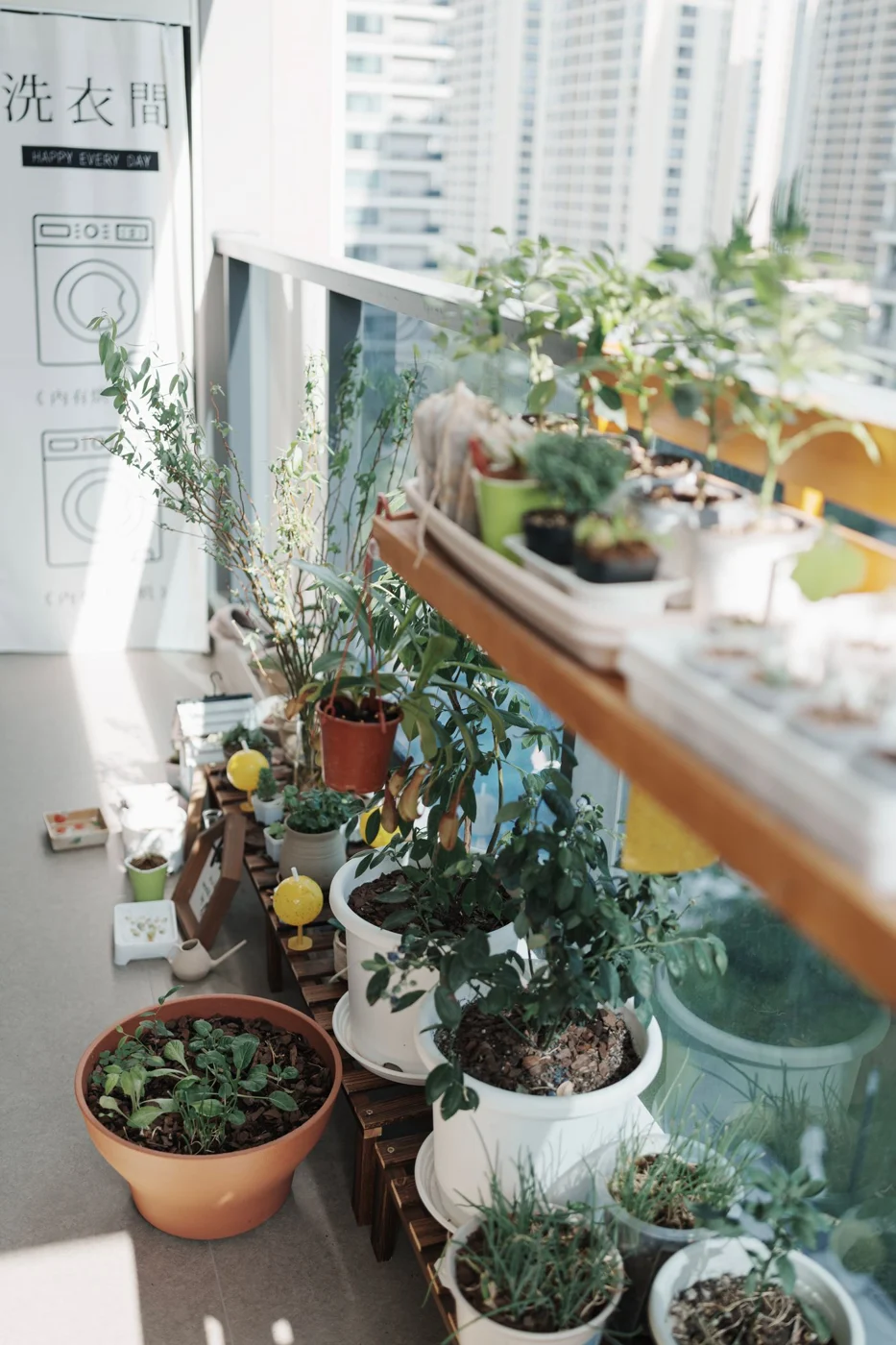
Choose a few species whose light and care requirements fit the observed positions. Plants with different watering needs do not have to share one box. Separate containers make individual care and later repositioning easier. Keep the labels or your own notes identifying each plant.
After placement, observe leaves, growth and moisture in the growing medium. More fertiliser or water does not automatically compensate for unsuitable light. If a plant struggles, revisit its site requirements. Moving it to a more appropriate position is often more sensible than preserving an attractive arrangement that does not suit the species. The useful display develops from plants that can live in the available conditions, rather than forcing every chosen plant into the same setting.