 Light & textiles
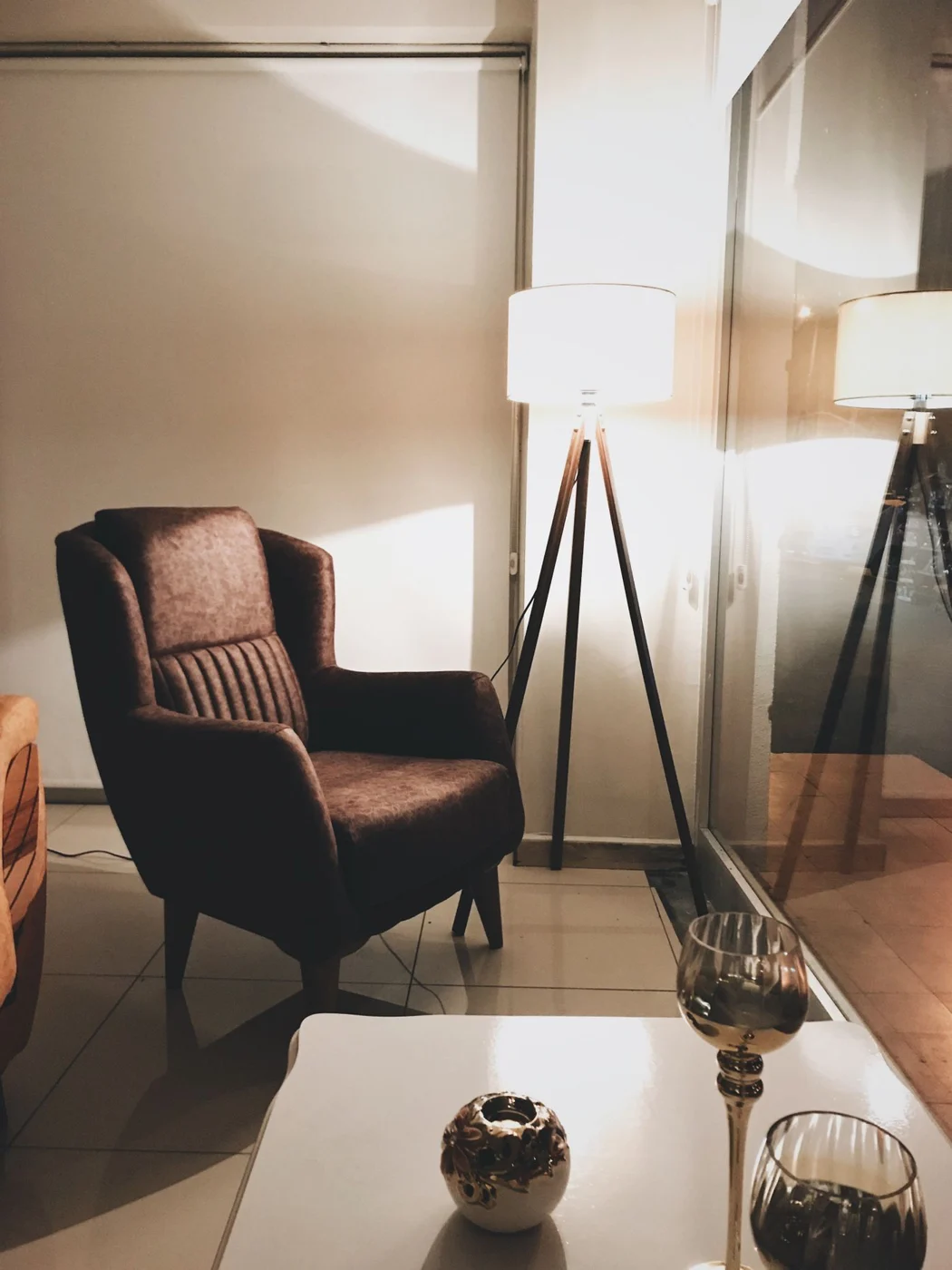
Pools of light instead of one ceiling lamp
Let light follow separate activities without giving every part of the room the same brightness.
Read article ↗Topics
Light & textilesLet light follow separate activities without giving every part of the room the same brightness.
Read article ↗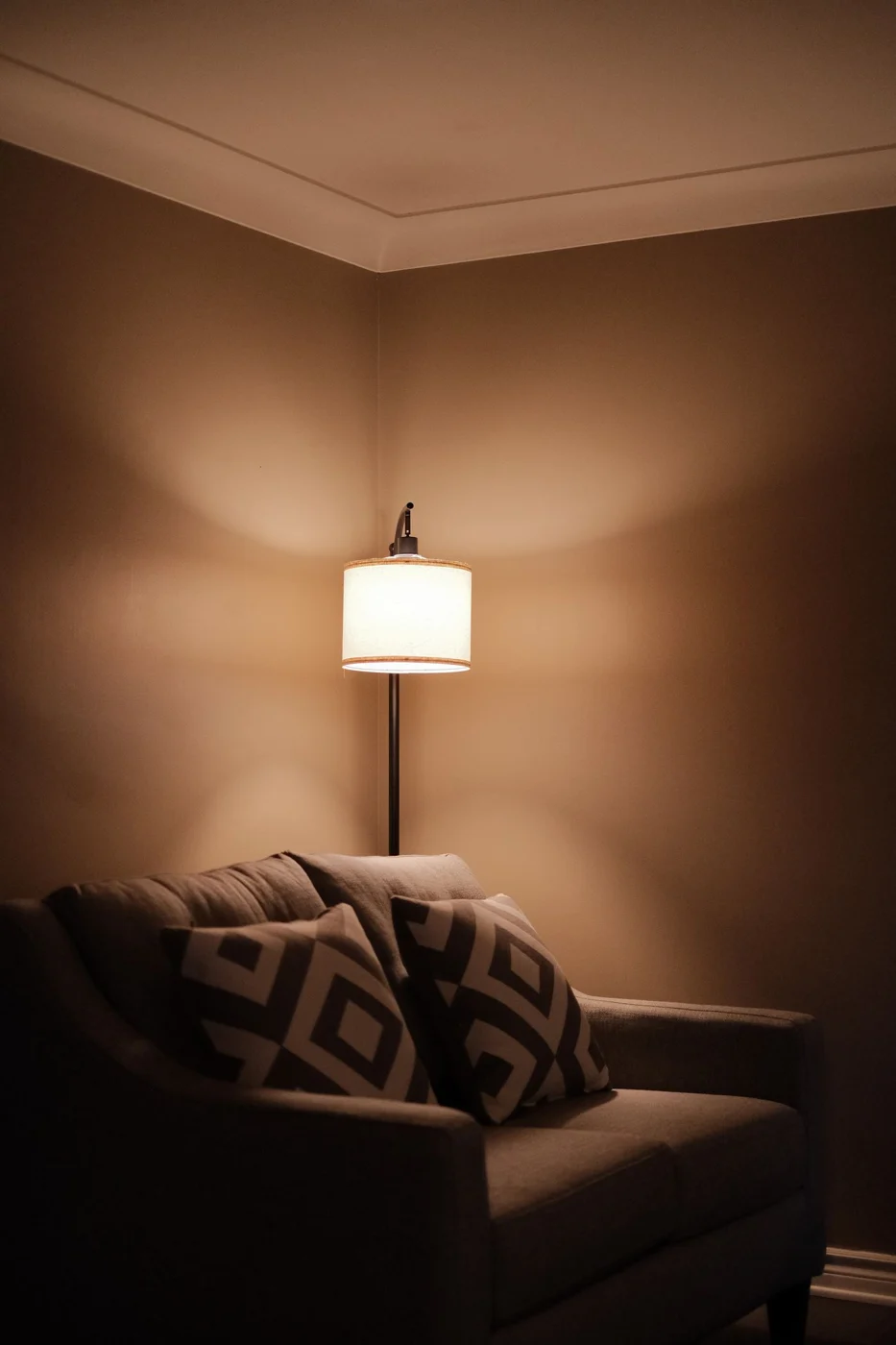 Light & textiles
The useful position depends on the reader, the page and the sightline, not just the height of the lamp.
Read article ↗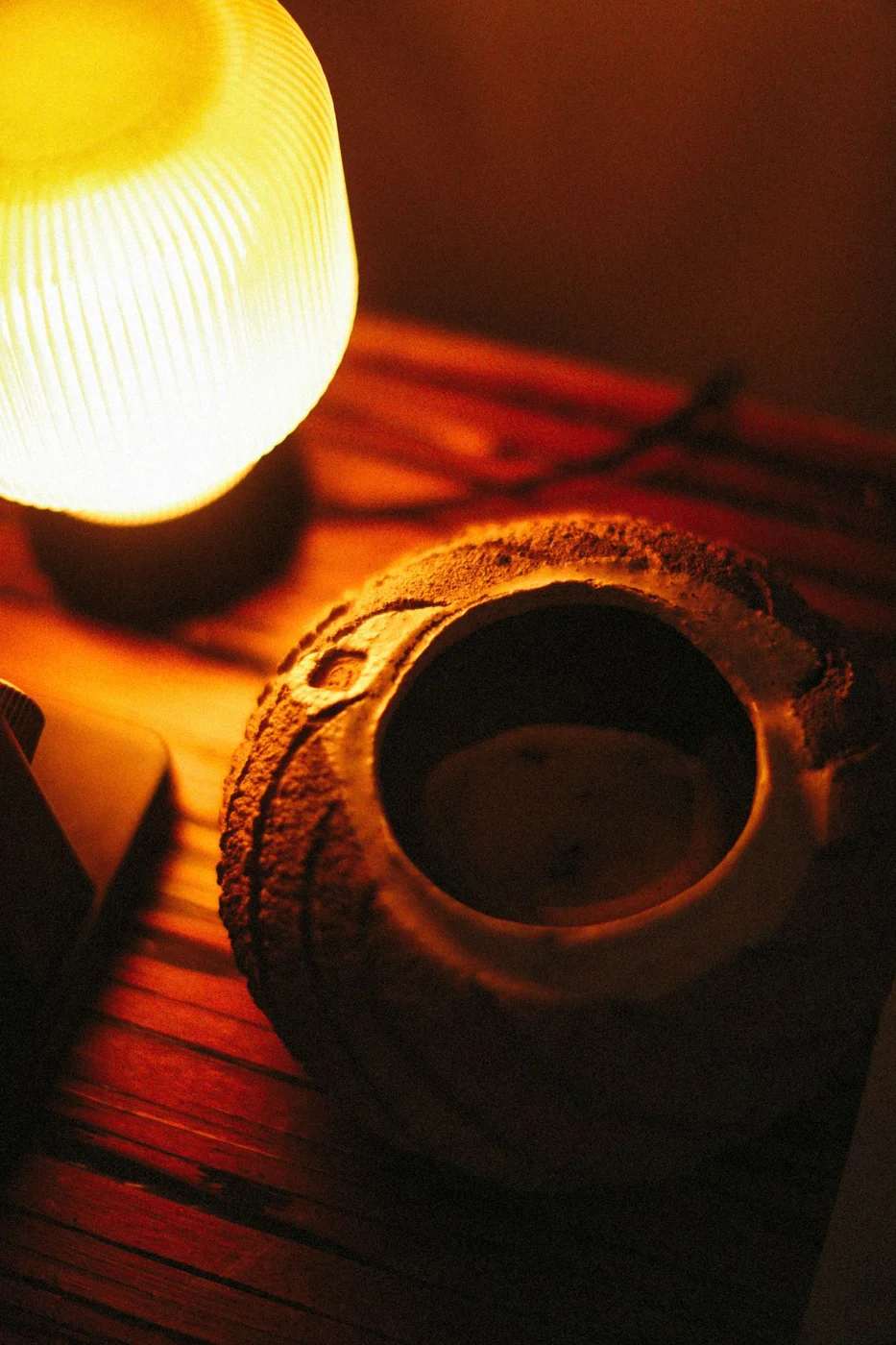 Light & textiles
Kelvin, lumens and the surfaces already in the room tell you different things.
Read article ↗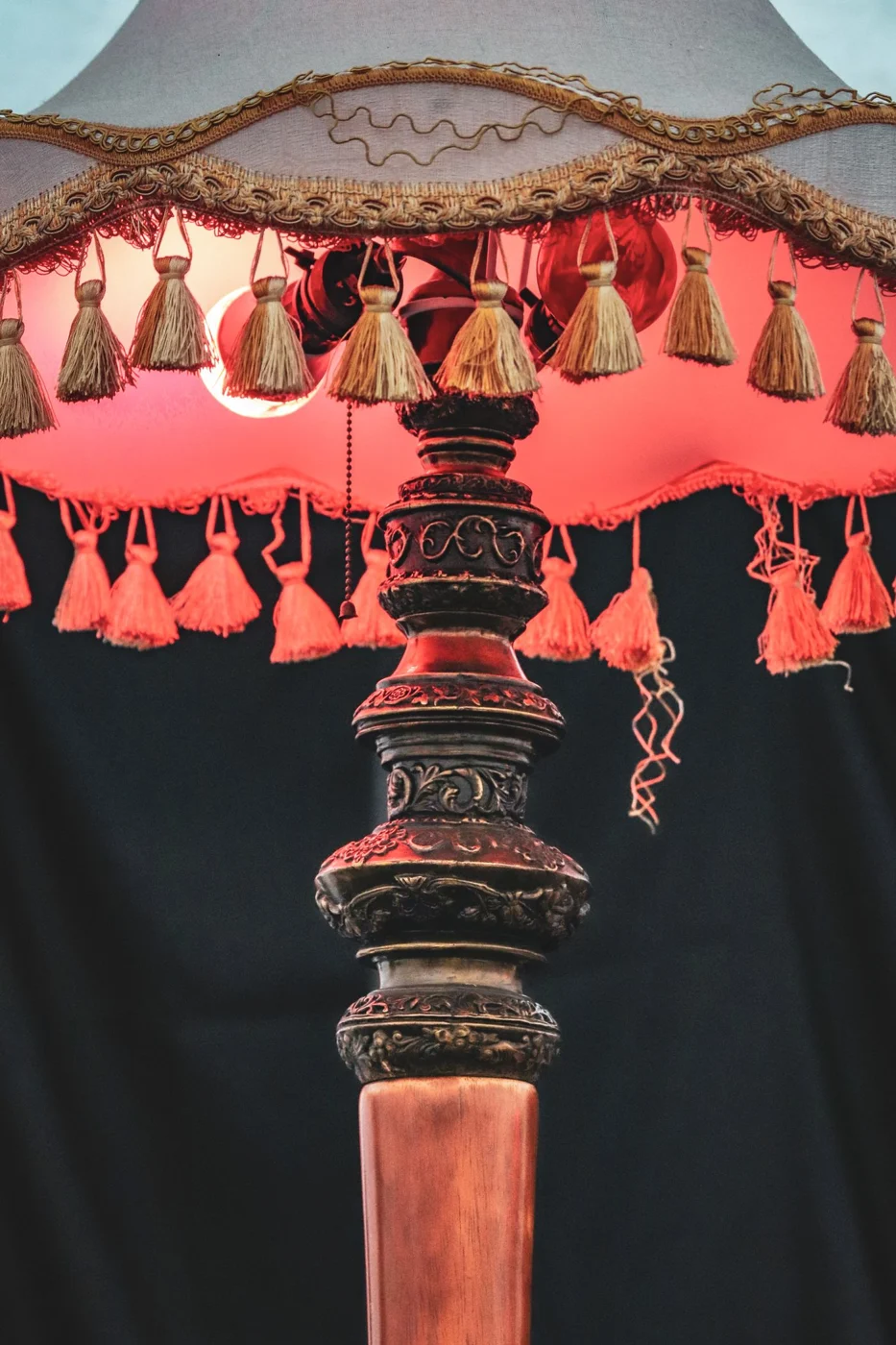 Light & textiles
A shade directs, screens and spreads light; its effect becomes clear with the lamp switched on.
Read article ↗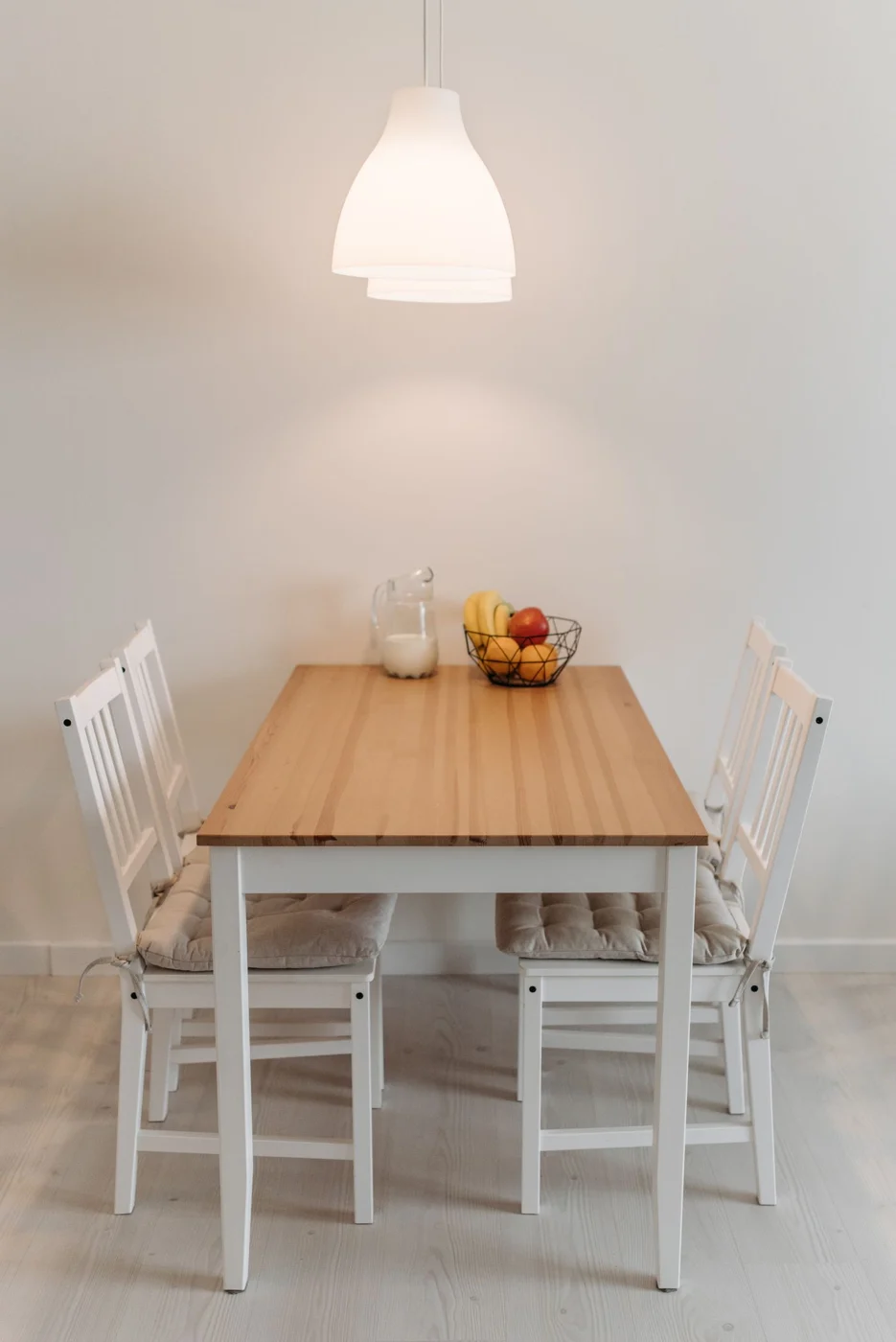 Light & textiles
Plan around the table position, seated sightlines and any extension leaves together.
Read article ↗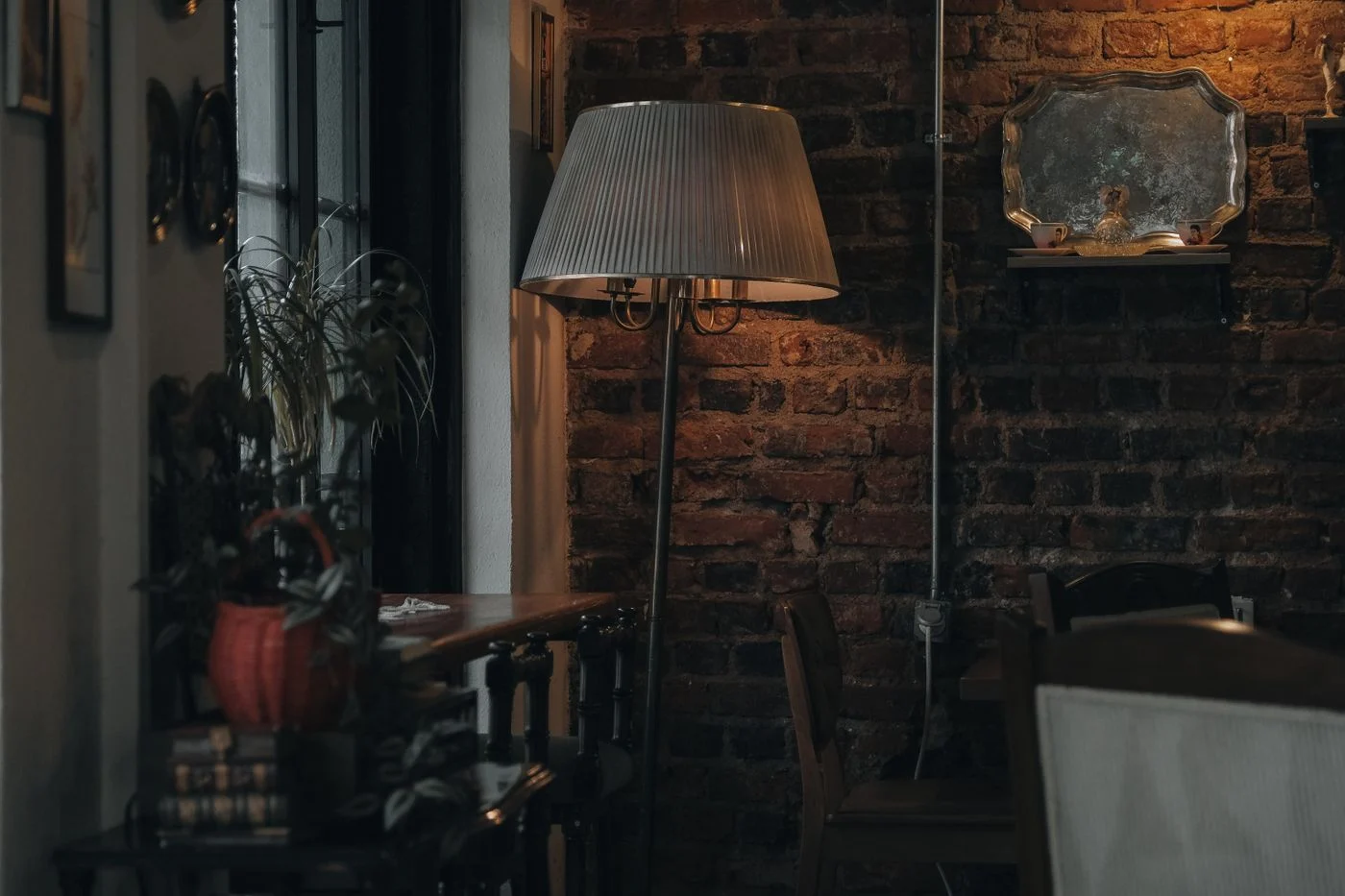 Light & textiles
Find the source of the discomfort before changing brightness or position.
Read article ↗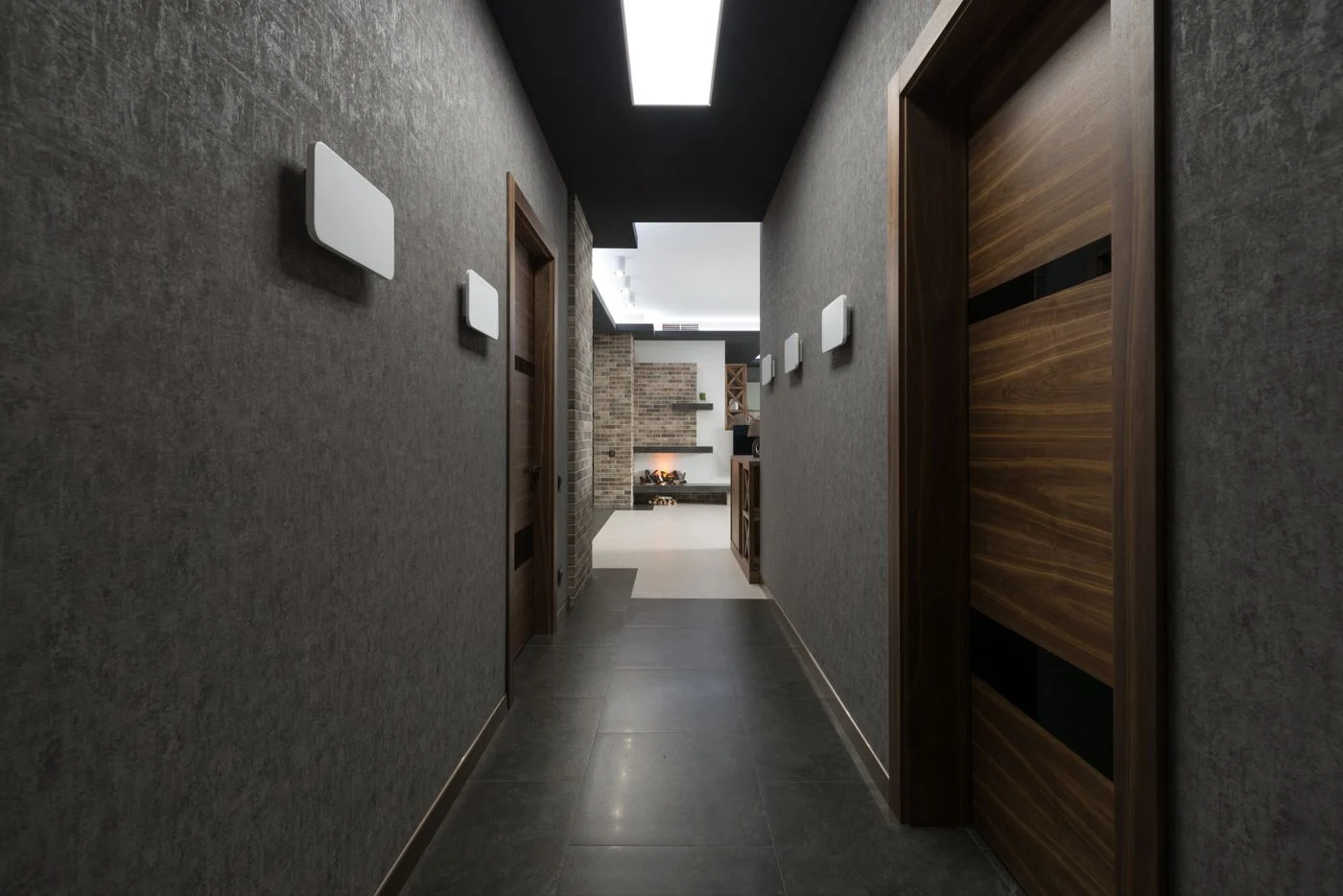 Light & textiles
A hallway needs visible routes, usable landing places and accessible switches.
Read article ↗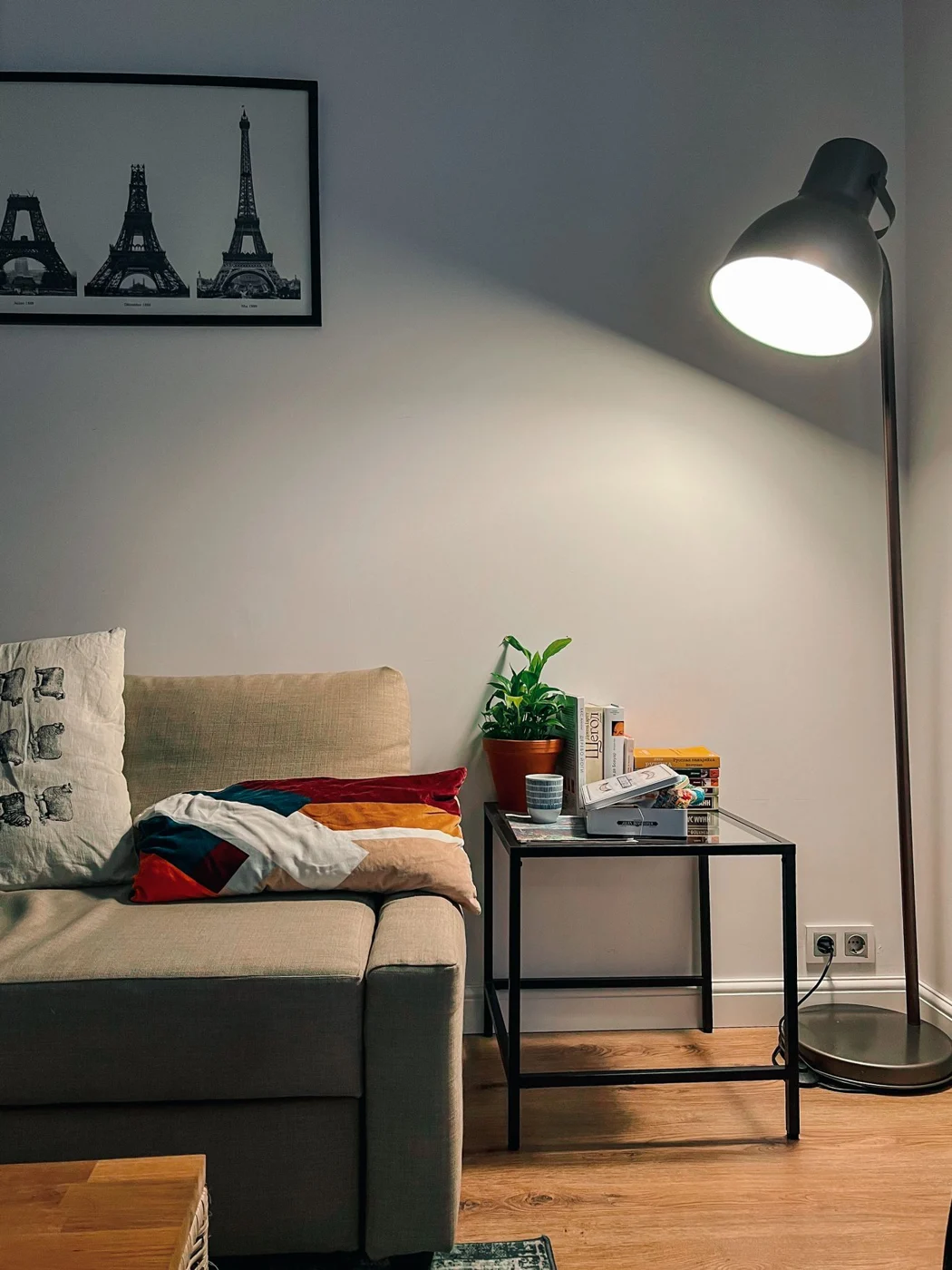 Light & textiles
Start a floor-lamp position with the socket, base and walking route.
Read article ↗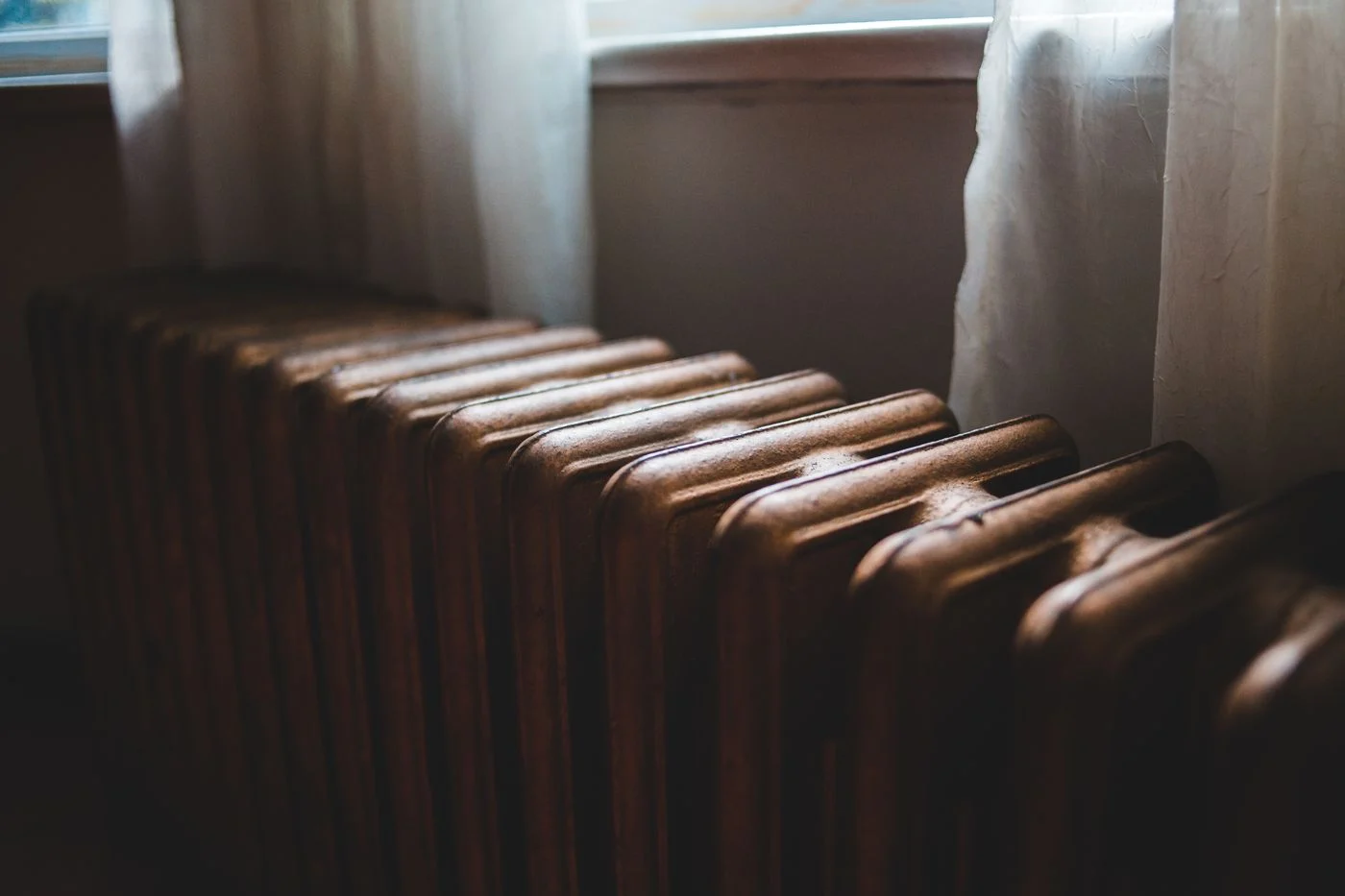 Light & textiles
Consider the radiator and curtain length together before cutting the fabric.
Read article ↗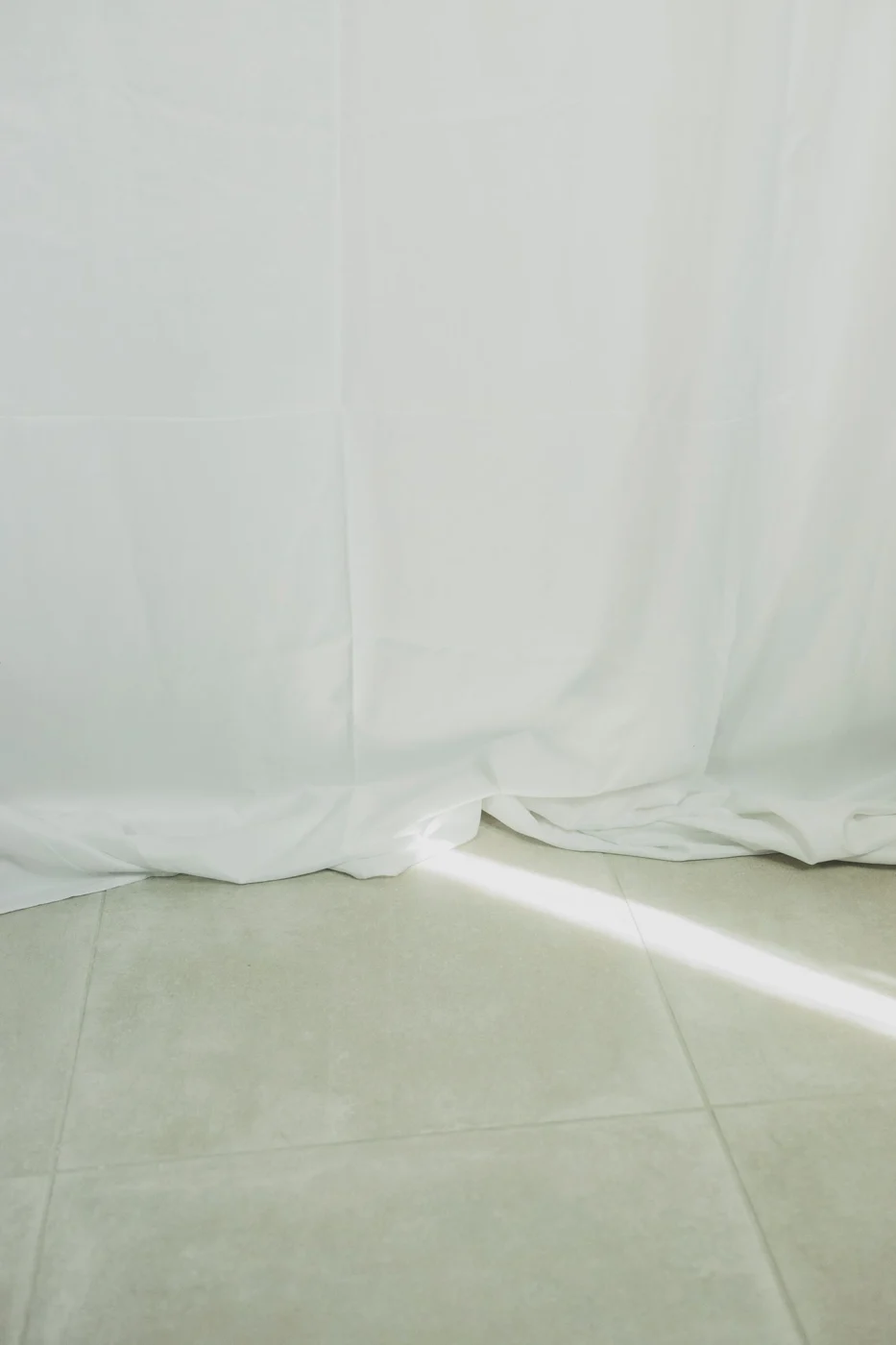 Light & textiles
Curtain length is a decision about use, mounting and care.
Read article ↗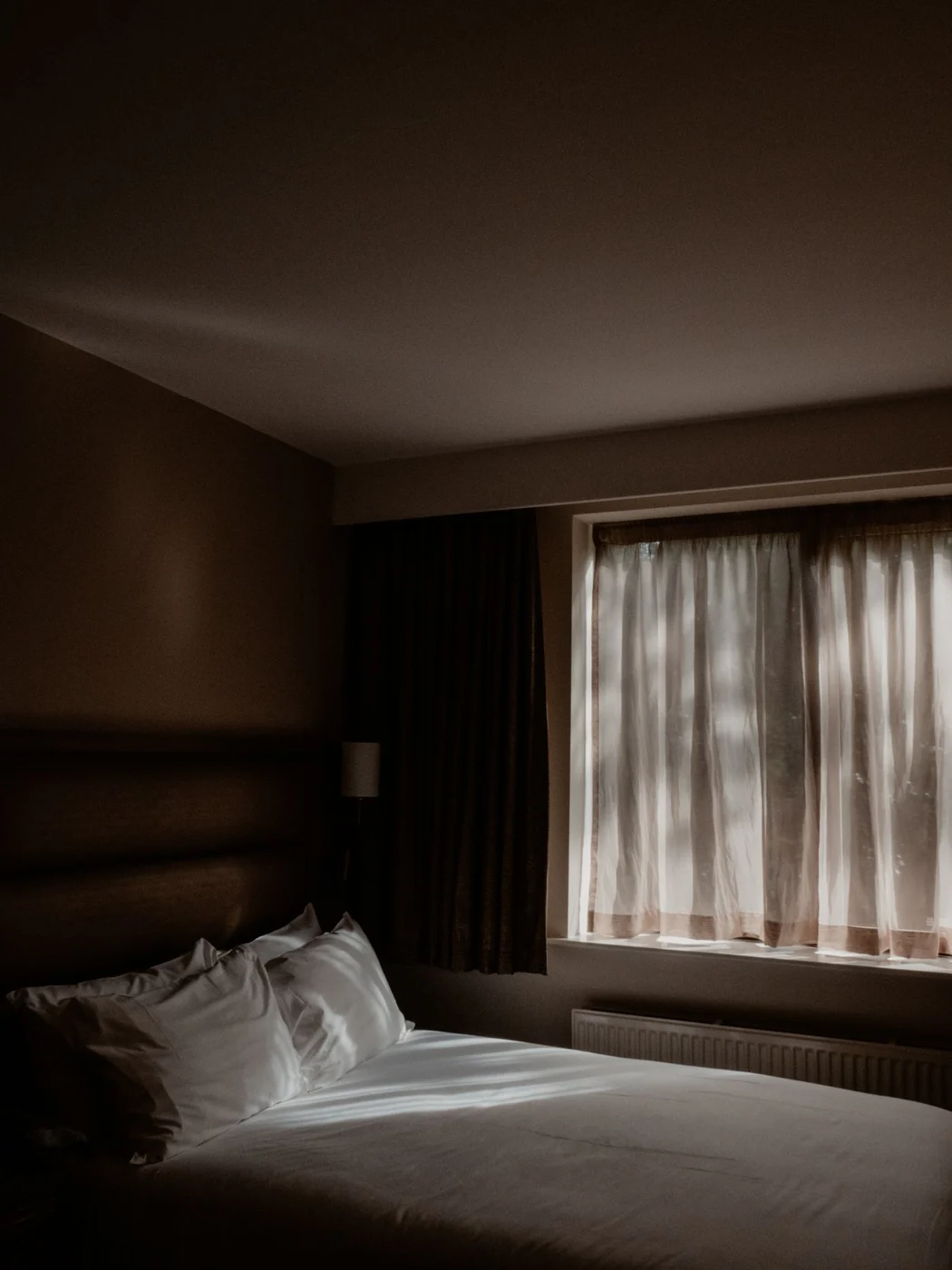 Light & textiles
Two fabric layers help when each can be moved independently and easily.
Read article ↗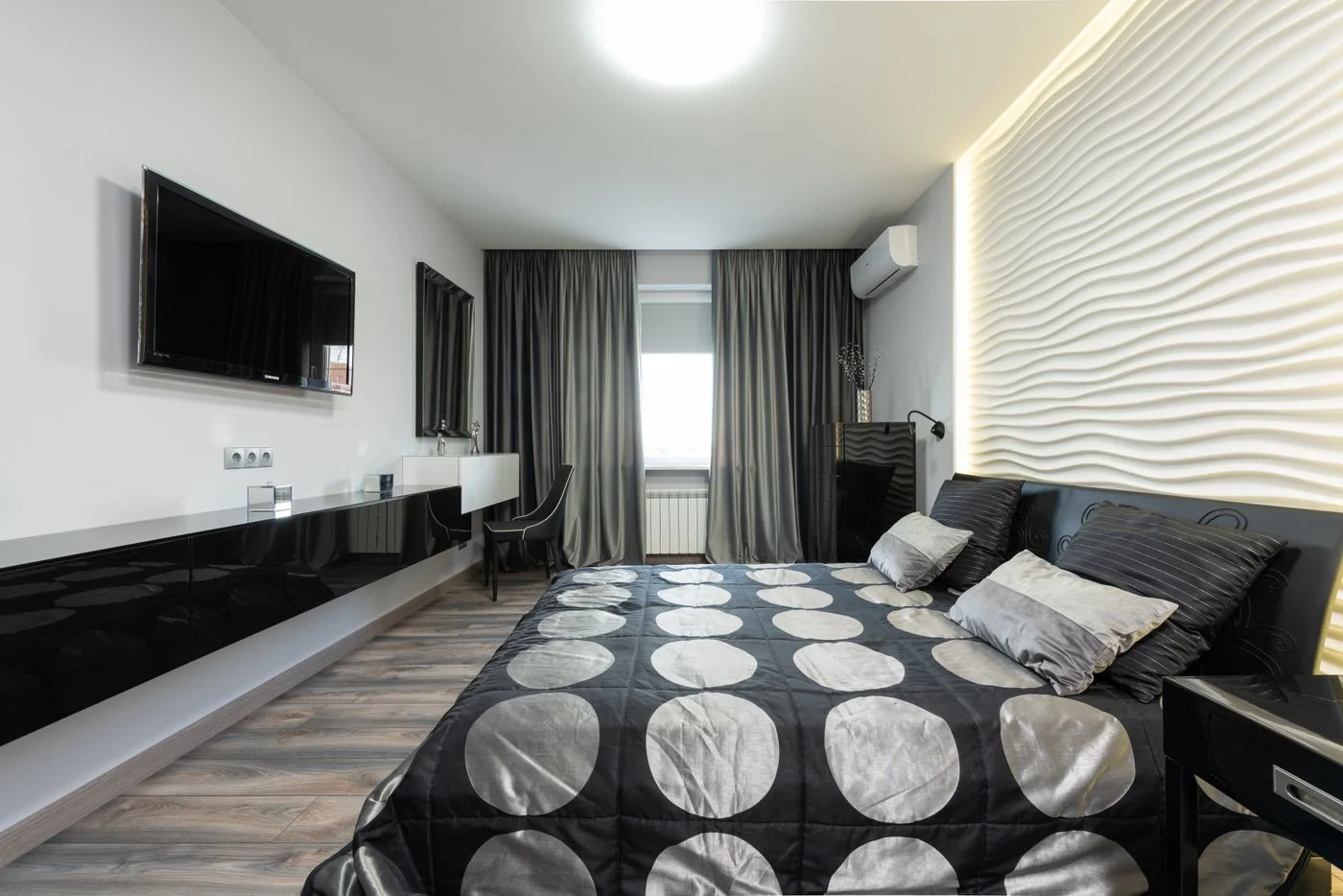 Light & textiles
Blackout depends on the fabric and its edges. First identify where the light enters.
Read article ↗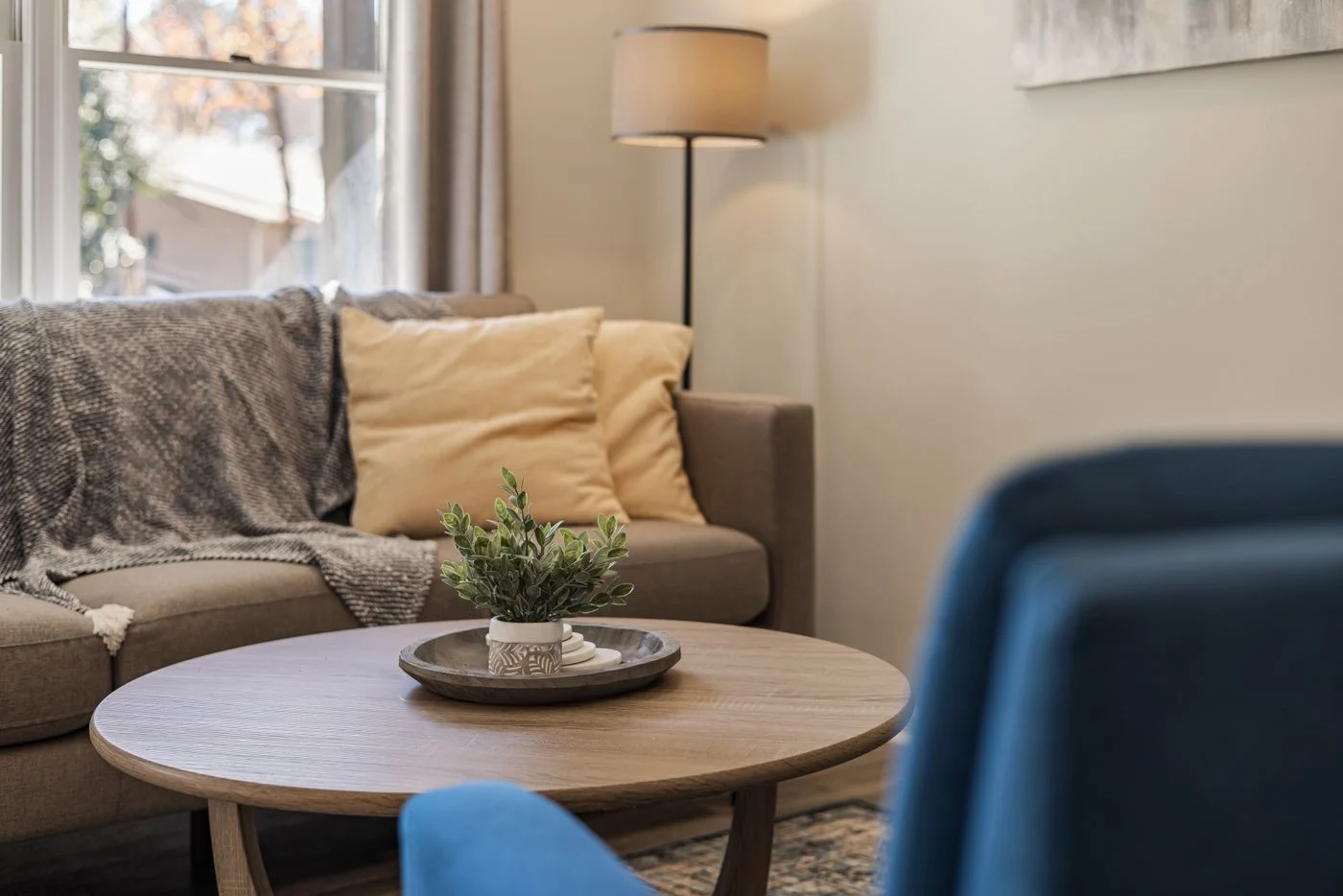 Light & textiles
A rug can connect the seating group while leaving its movement space usable.
Read article ↗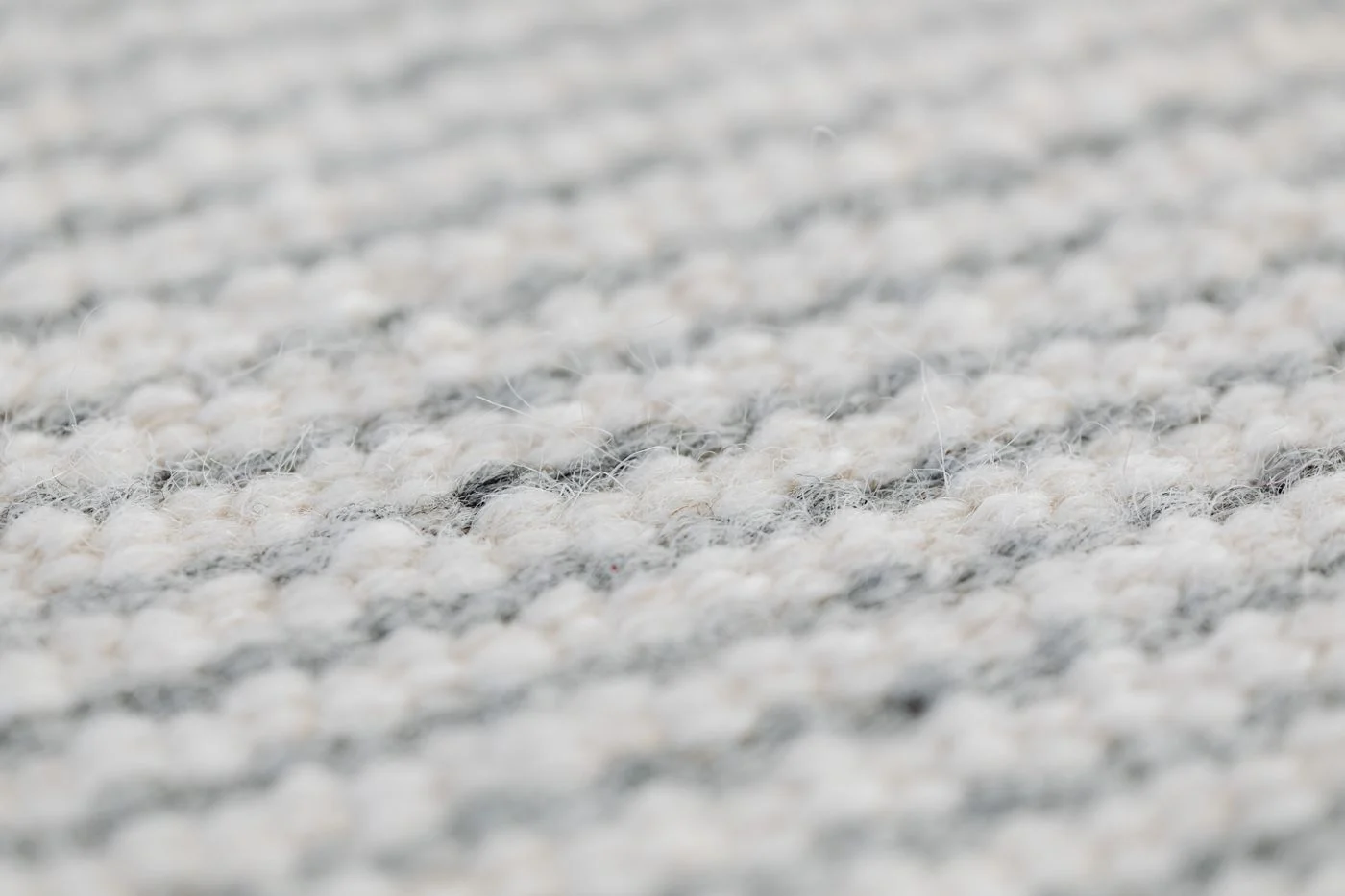 Light & textiles
Pile changes movement and cleaning as well as the feel underfoot.
Read article ↗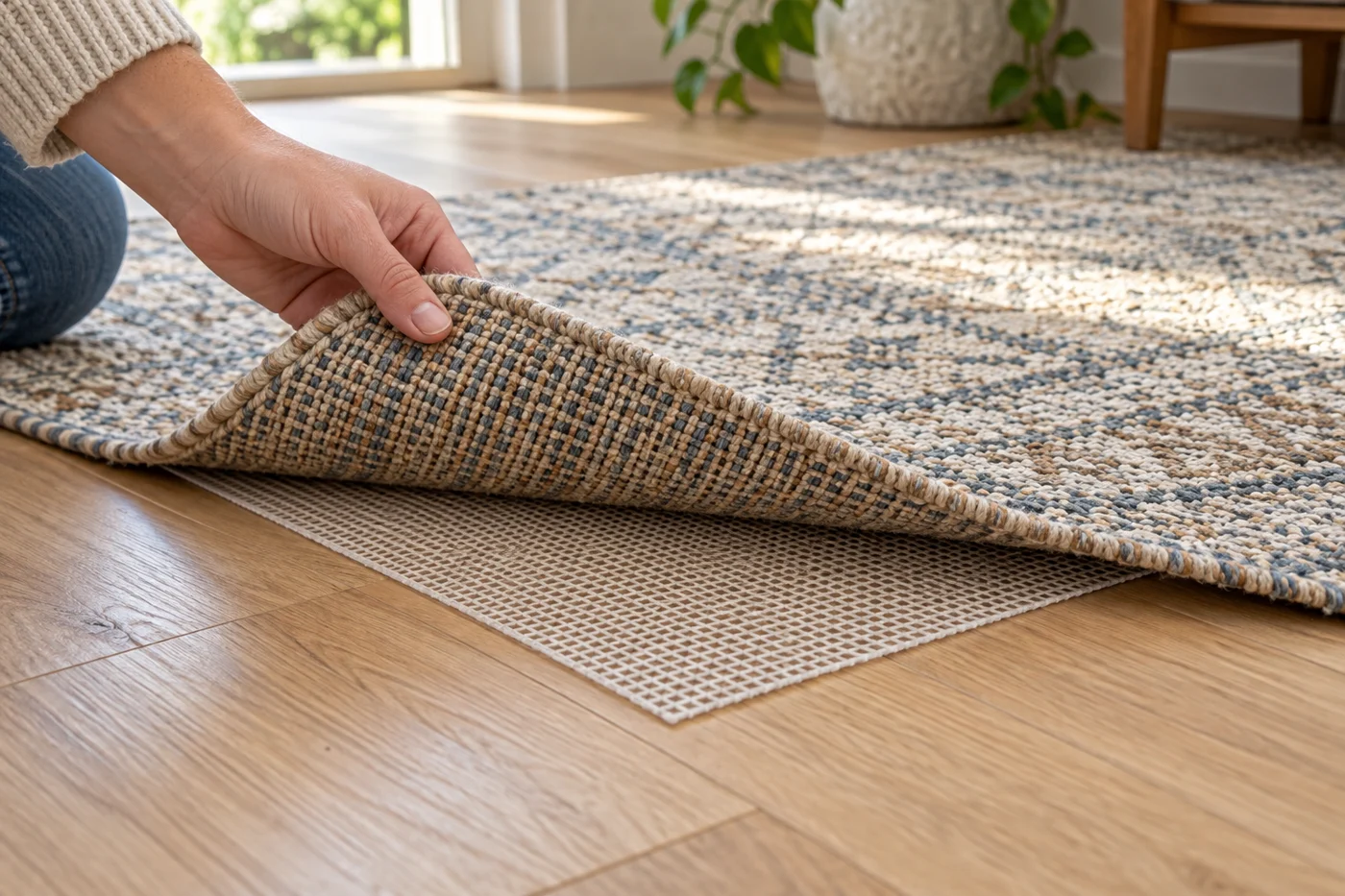 Light & textiles
An underlay needs a compatible floor and clean contact surfaces.
Read article ↗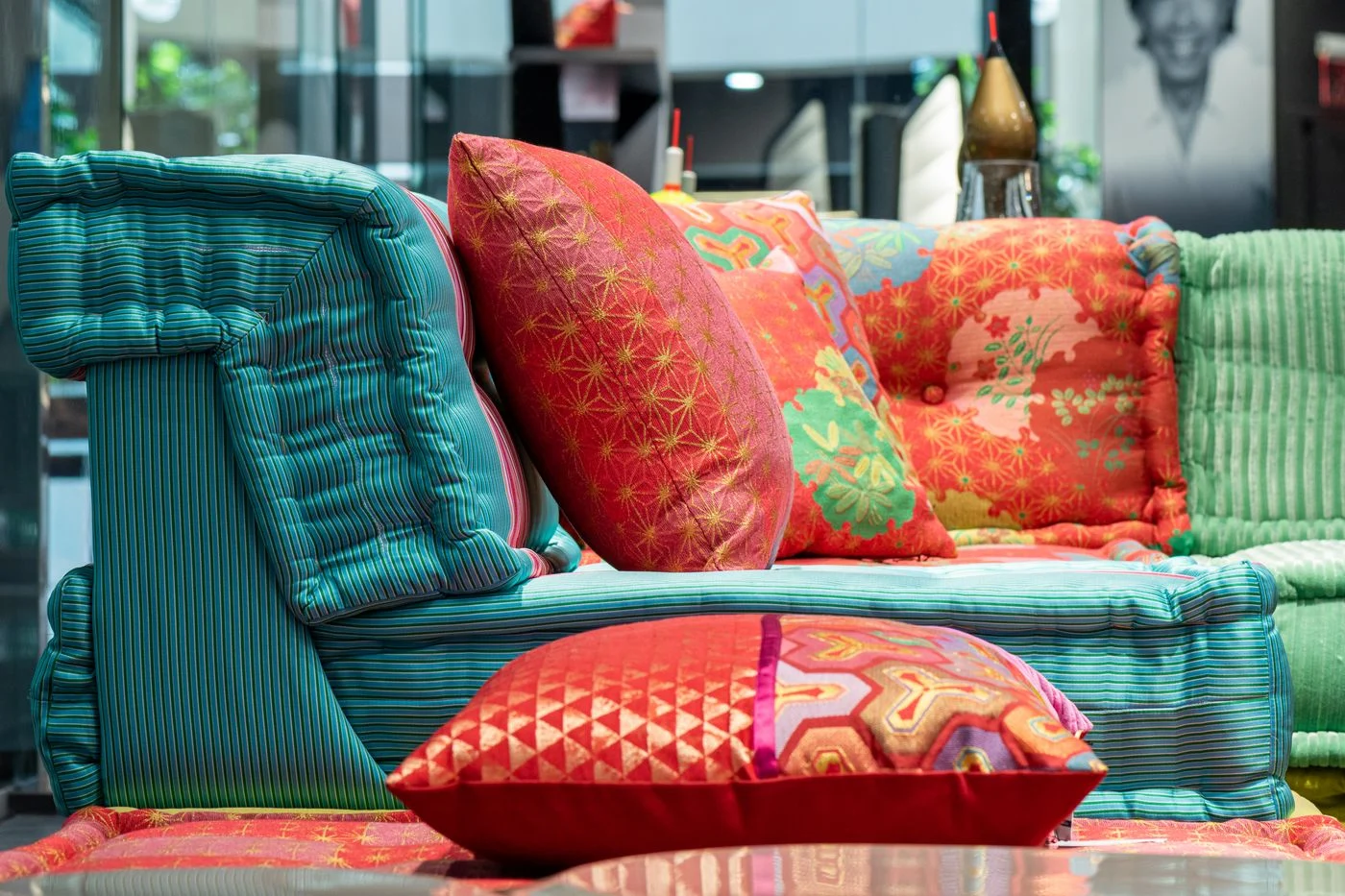 Light & textiles
Existing colours provide a starting point without requiring every new cover to match exactly.
Read article ↗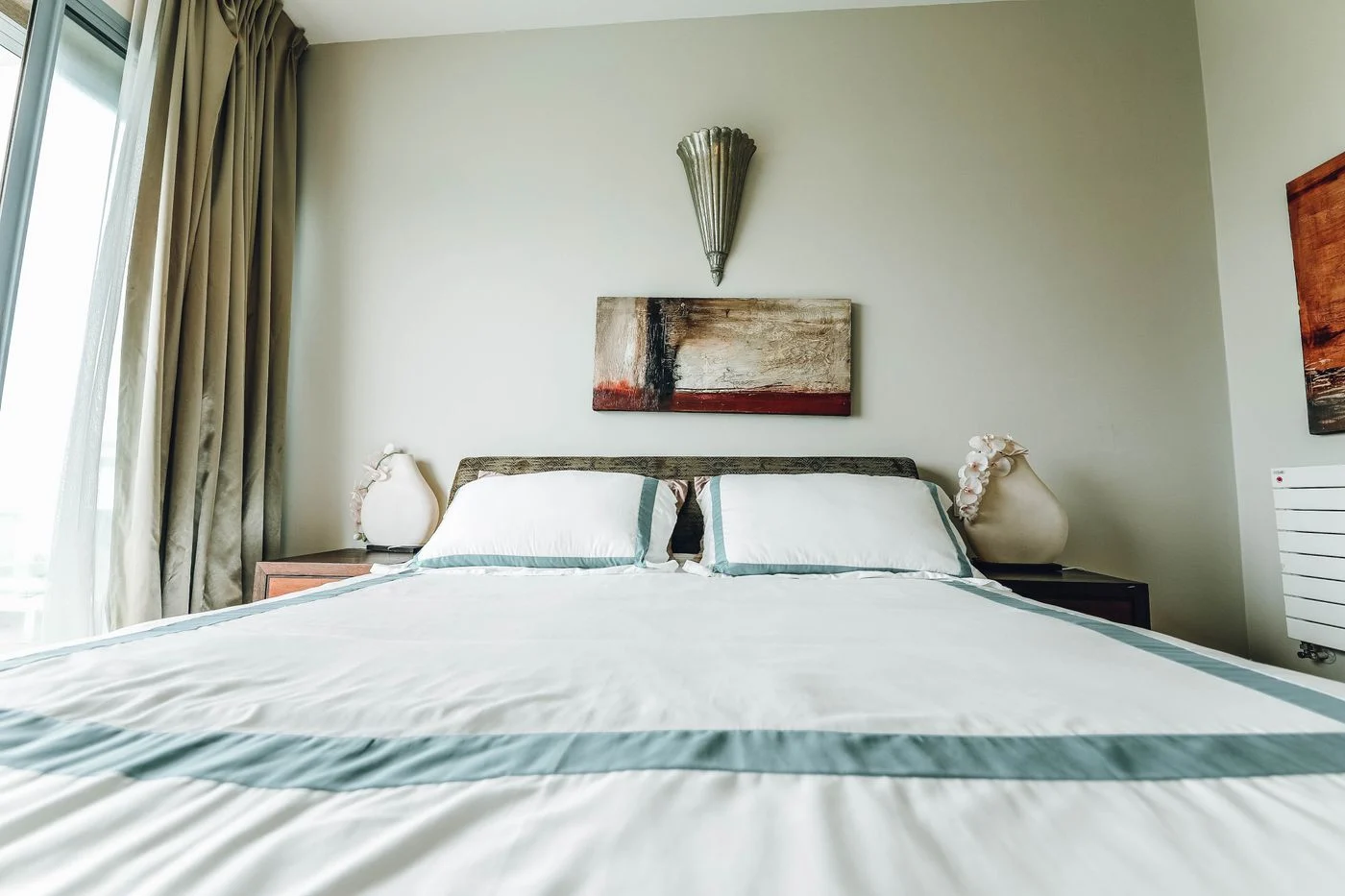 Light & textiles
A bedspread needs a place on the bed and another when it is removed at night.
Read article ↗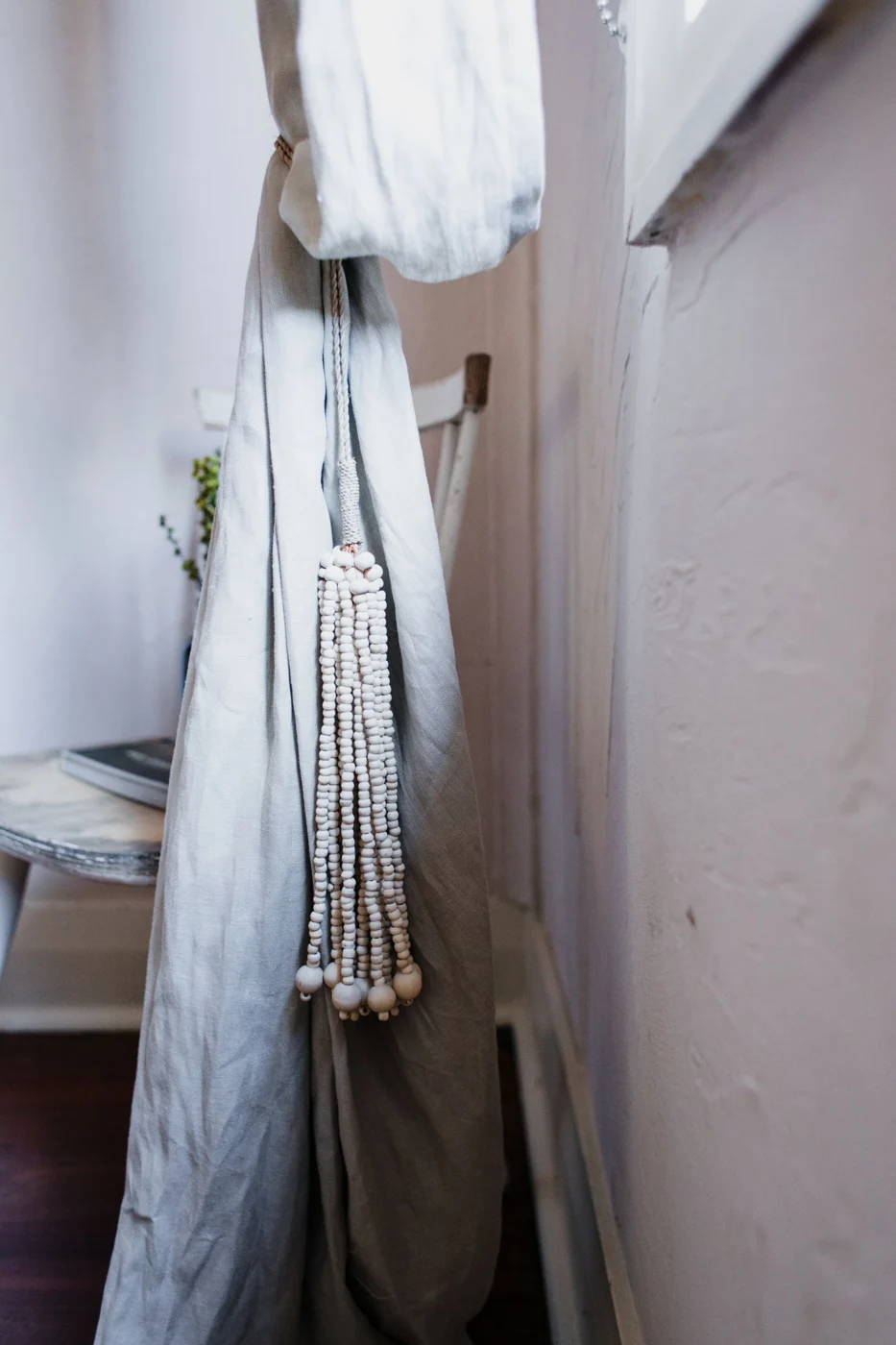 Light & textiles
Fibre, weave and finish tell you more than the words linen or cotton alone.
Read article ↗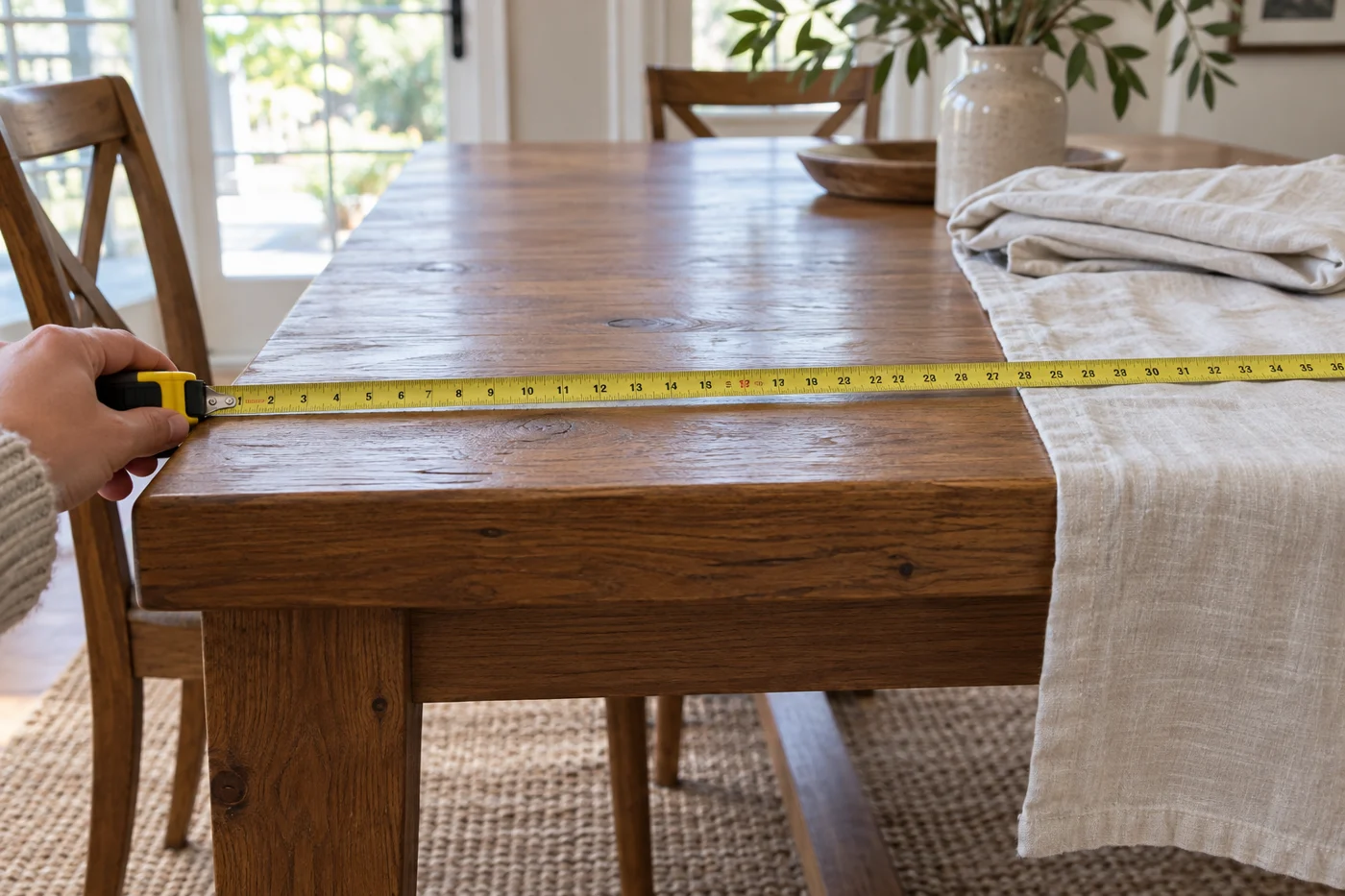 Light & textiles
Table shape, overhang and chair movement determine the useful size together.
Read article ↗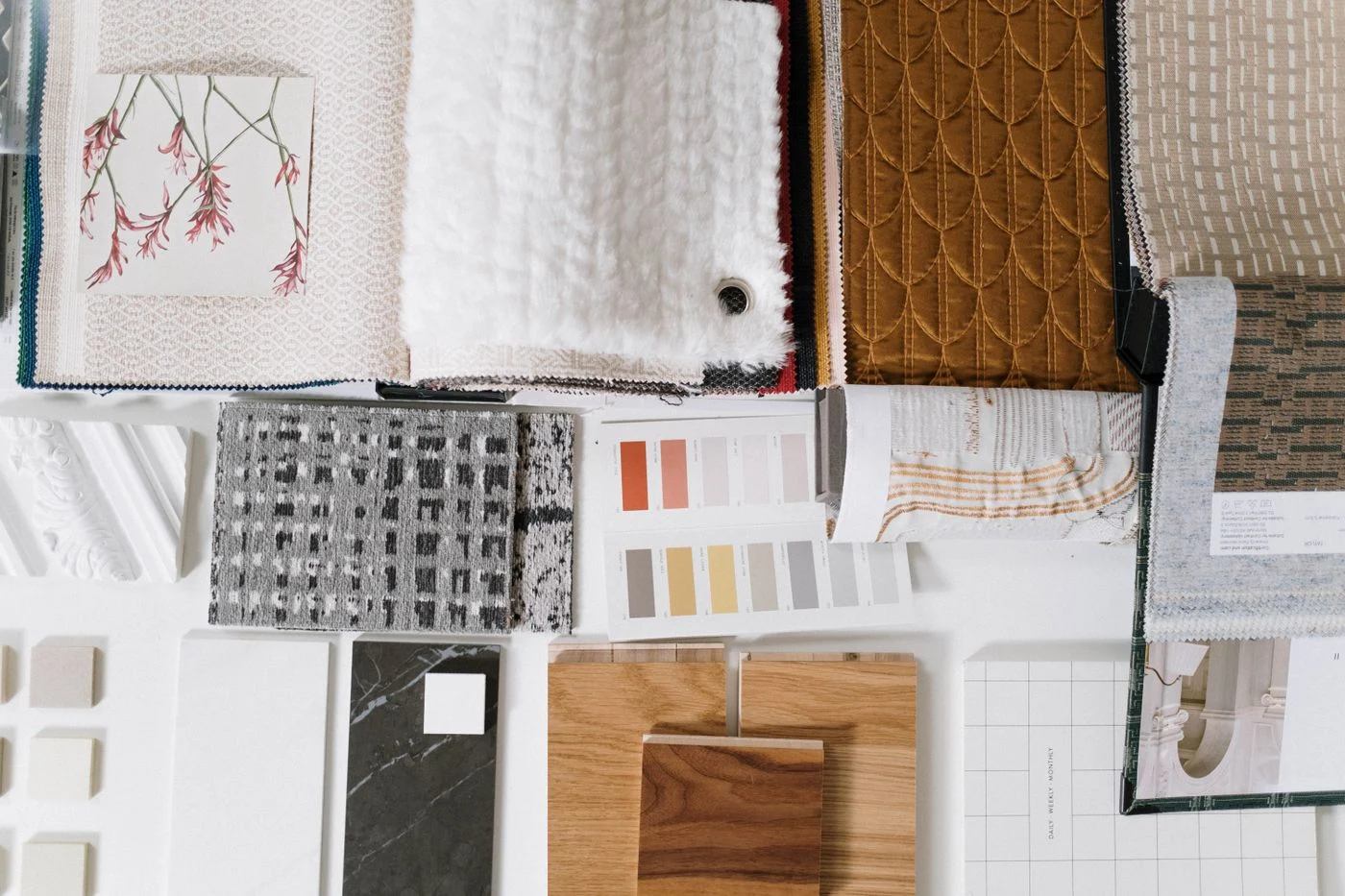 Light & textiles
Repeated colours can connect open areas while each textile retains its own role.
Read article ↗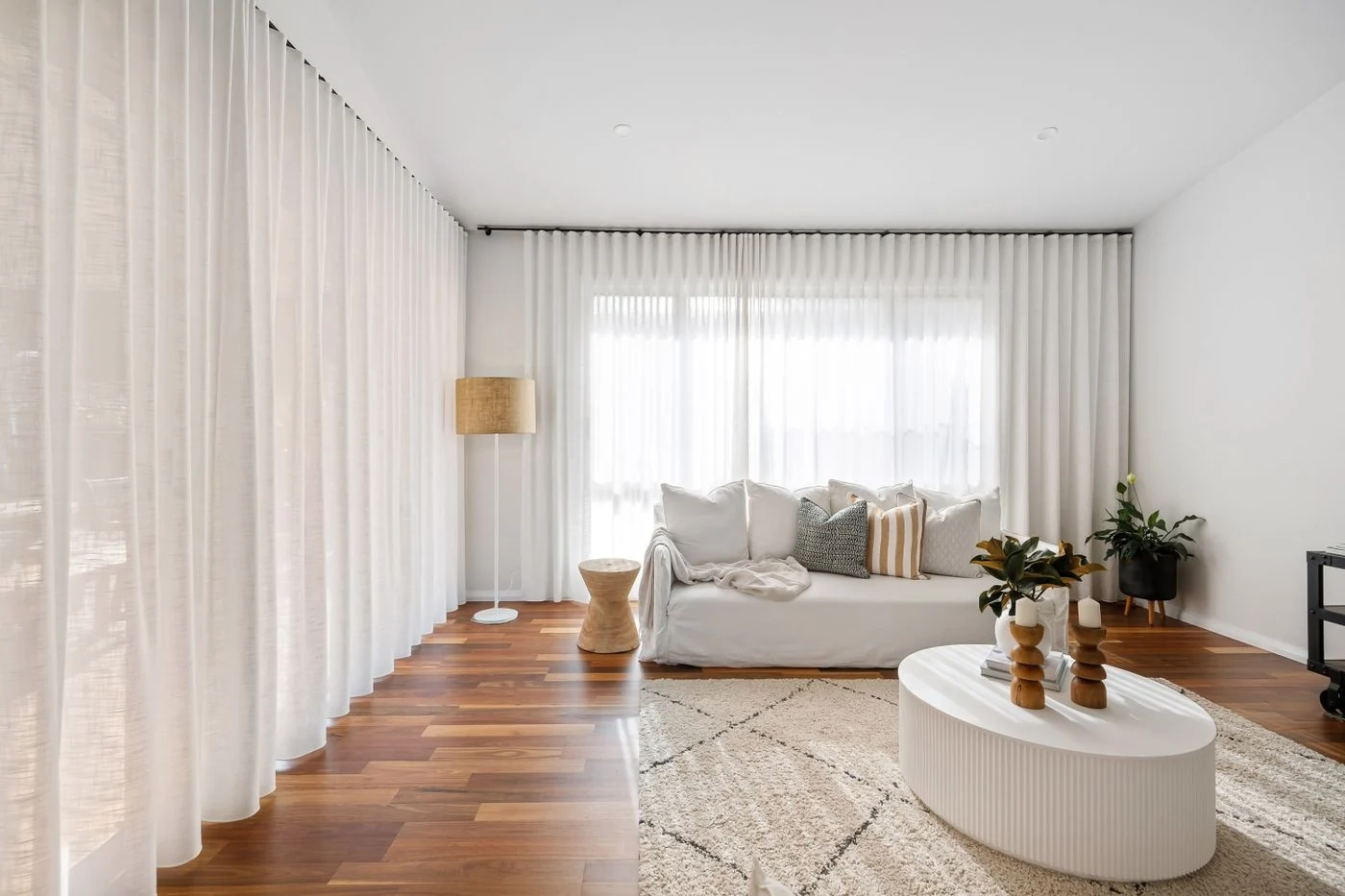 Light & textiles
Textiles can change the sound within a room, but they do not replace structural sound insulation.
Read article ↗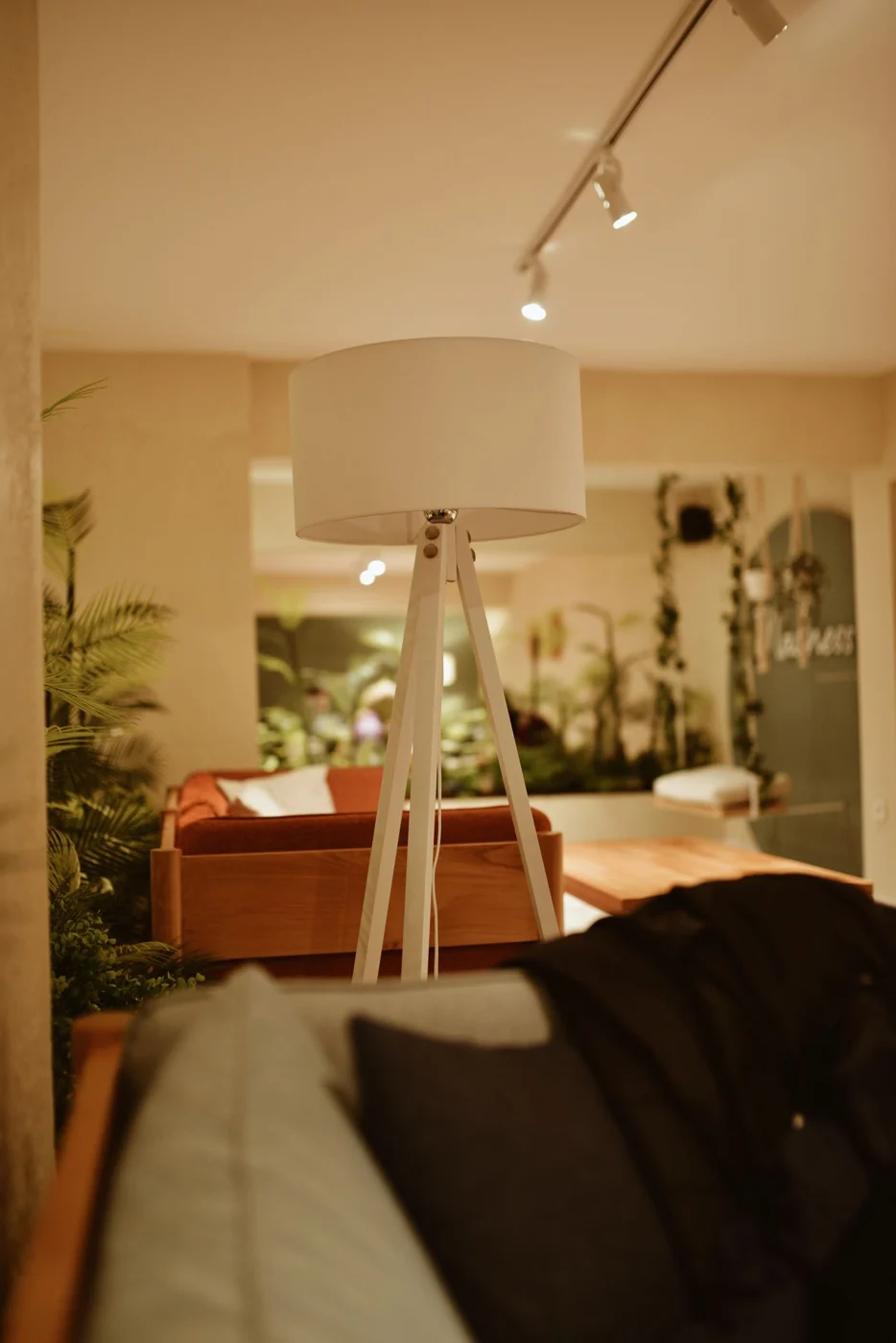 Light & textiles
A dark corner does not always need another floor lamp; decide what needs to become visible.
Read article ↗ Light & textiles
Cotton names a fibre; percale and sateen describe different ways of weaving it.
Read article ↗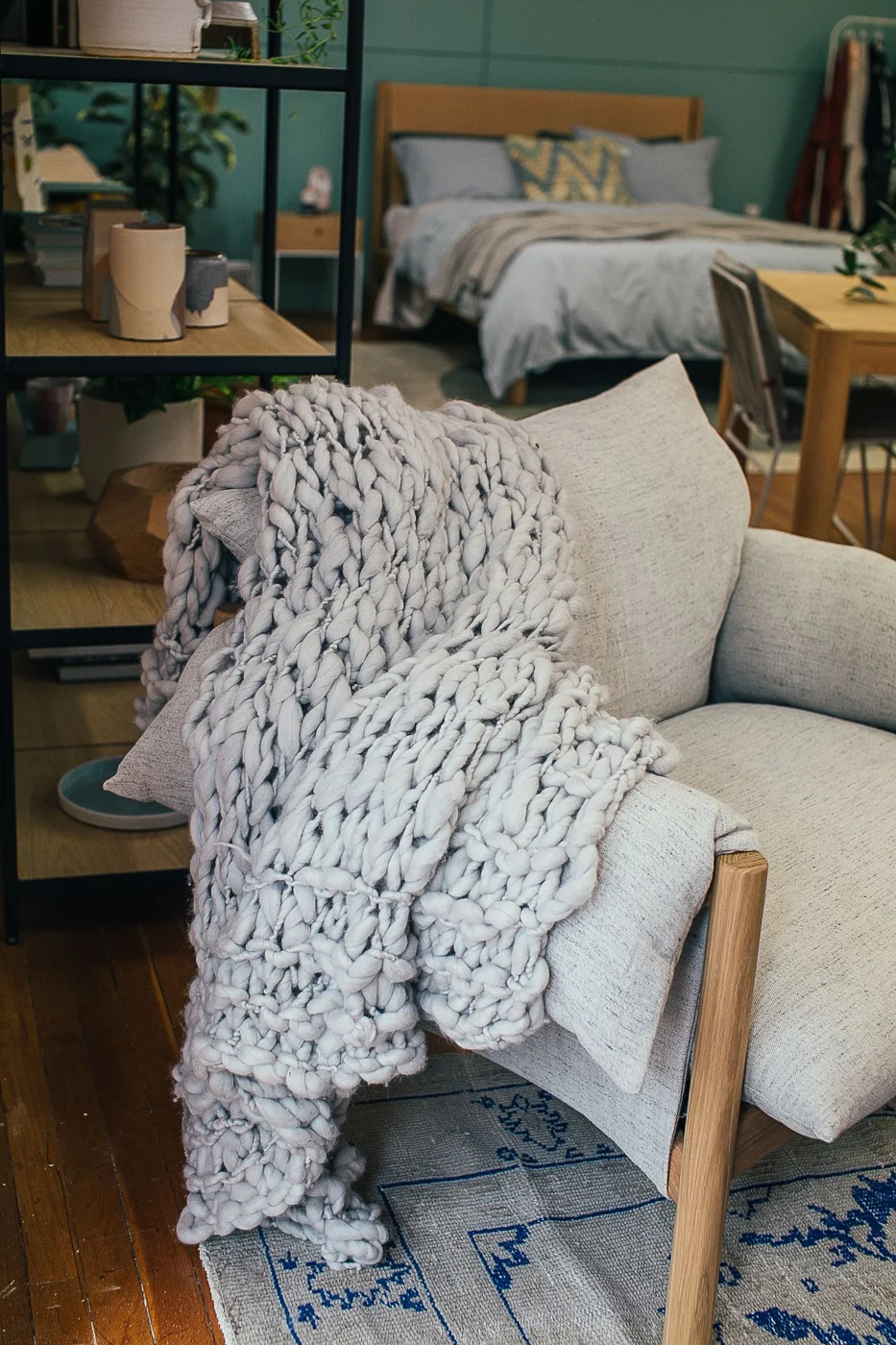 Light & textiles
A throw is easier to use when taking it out and putting it back requires no rearranging.
Read article ↗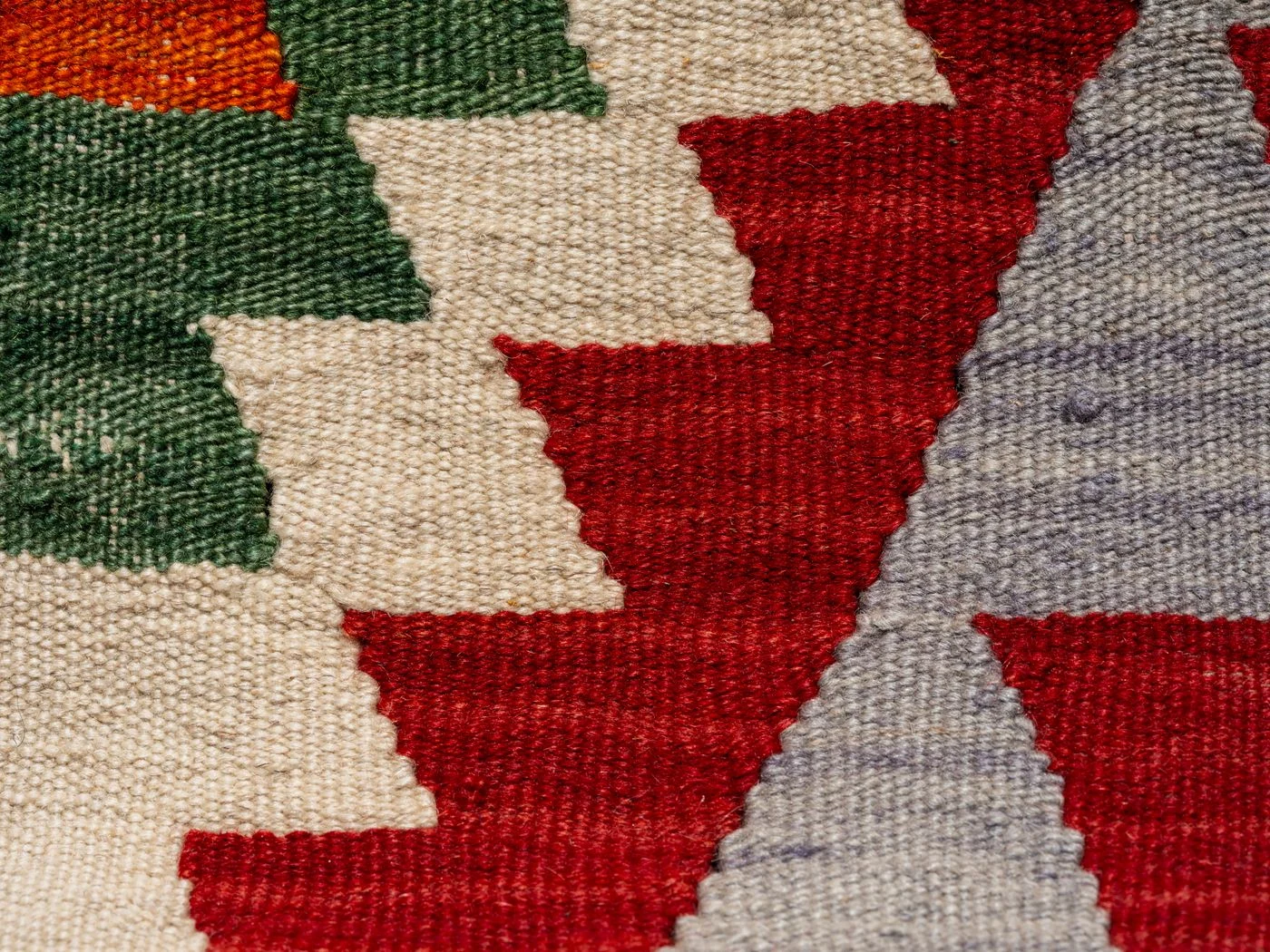 Light & textiles
Pattern scale, contrast and visible area matter more than room size alone.
Read article ↗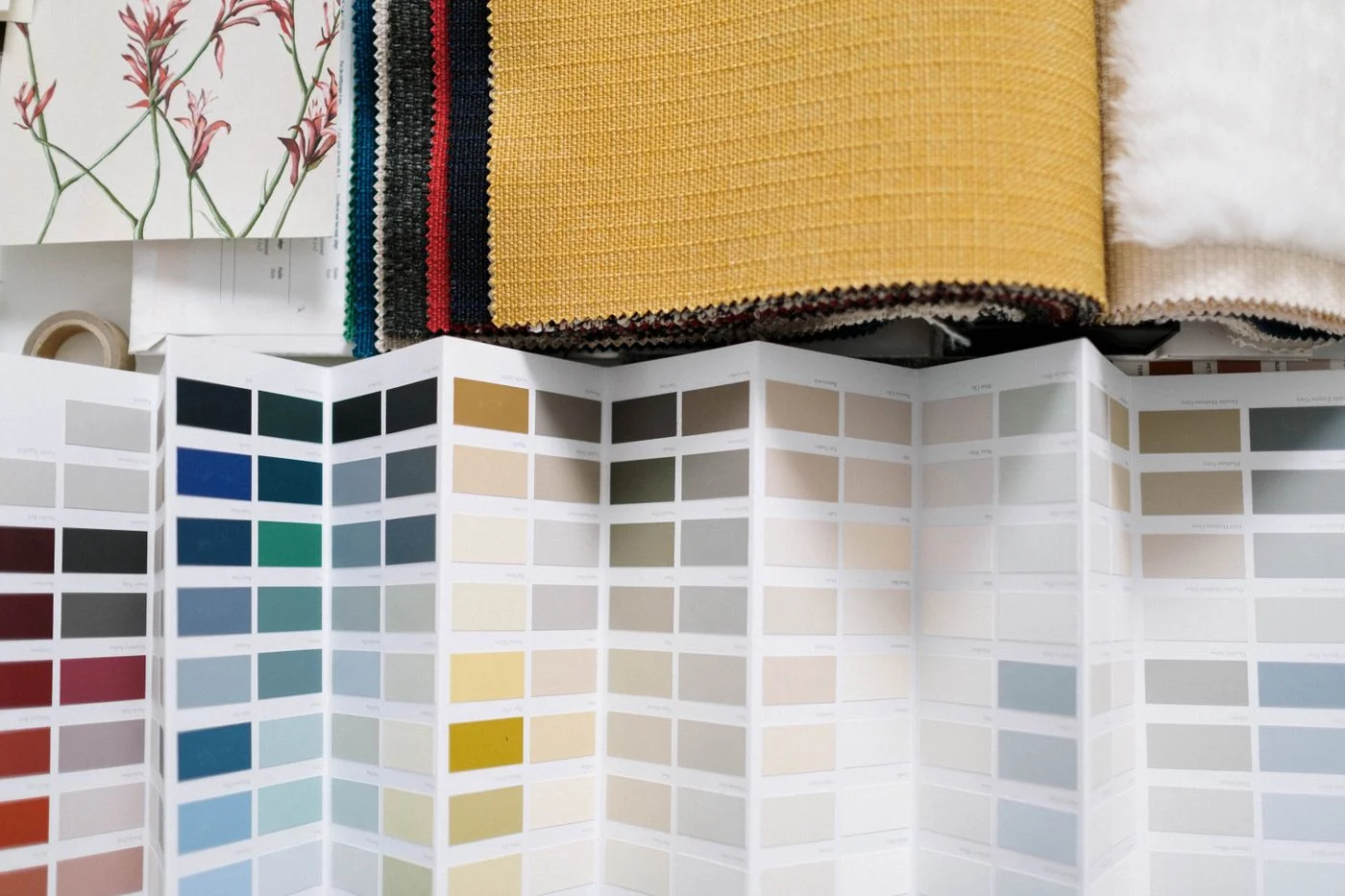 Light & textiles
Put a sample in its intended position and view it at several times of day.
Read article ↗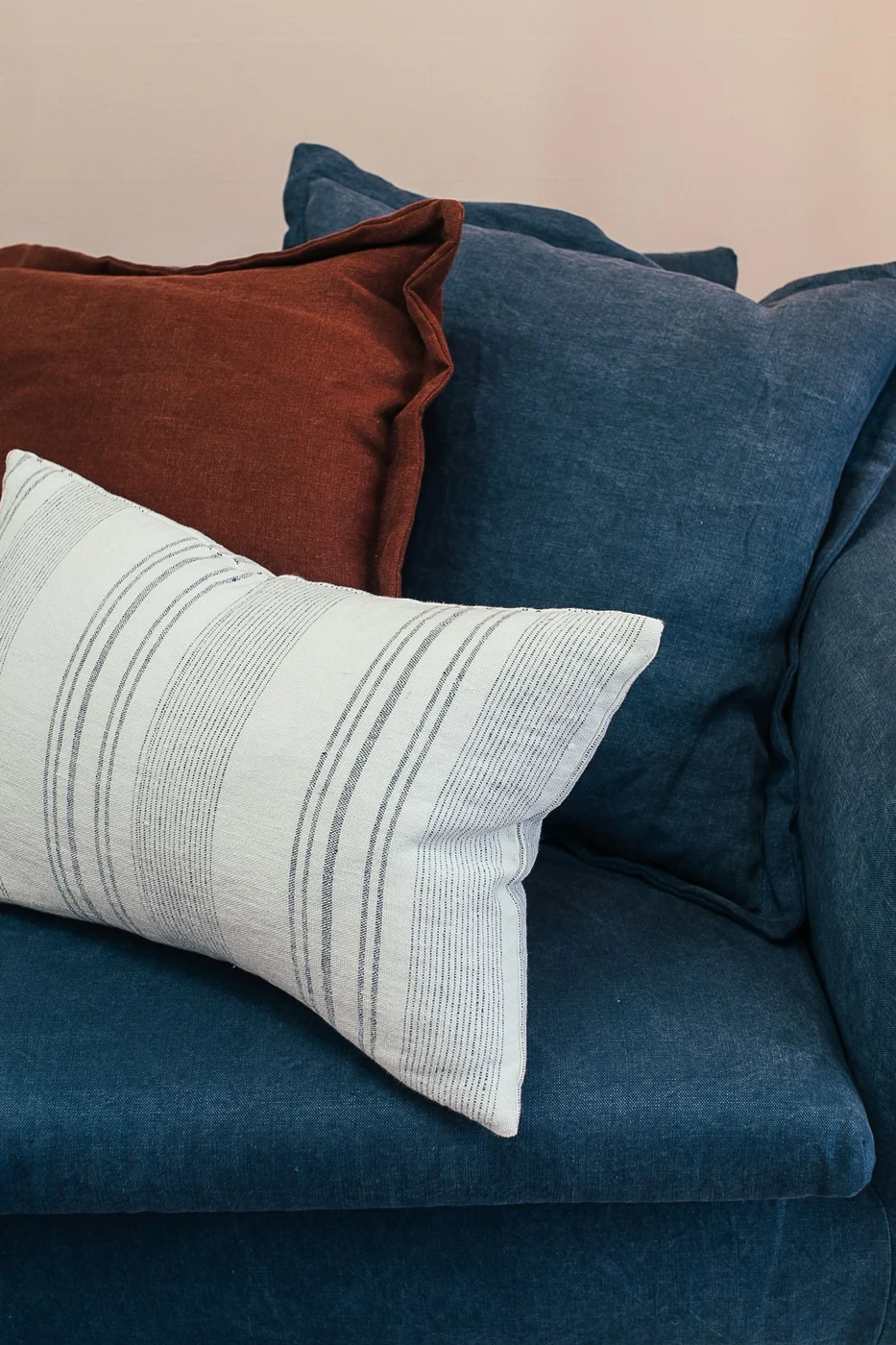 Light & textiles
Covers and throws change the appearance while the sofa itself remains the starting point.
Read article ↗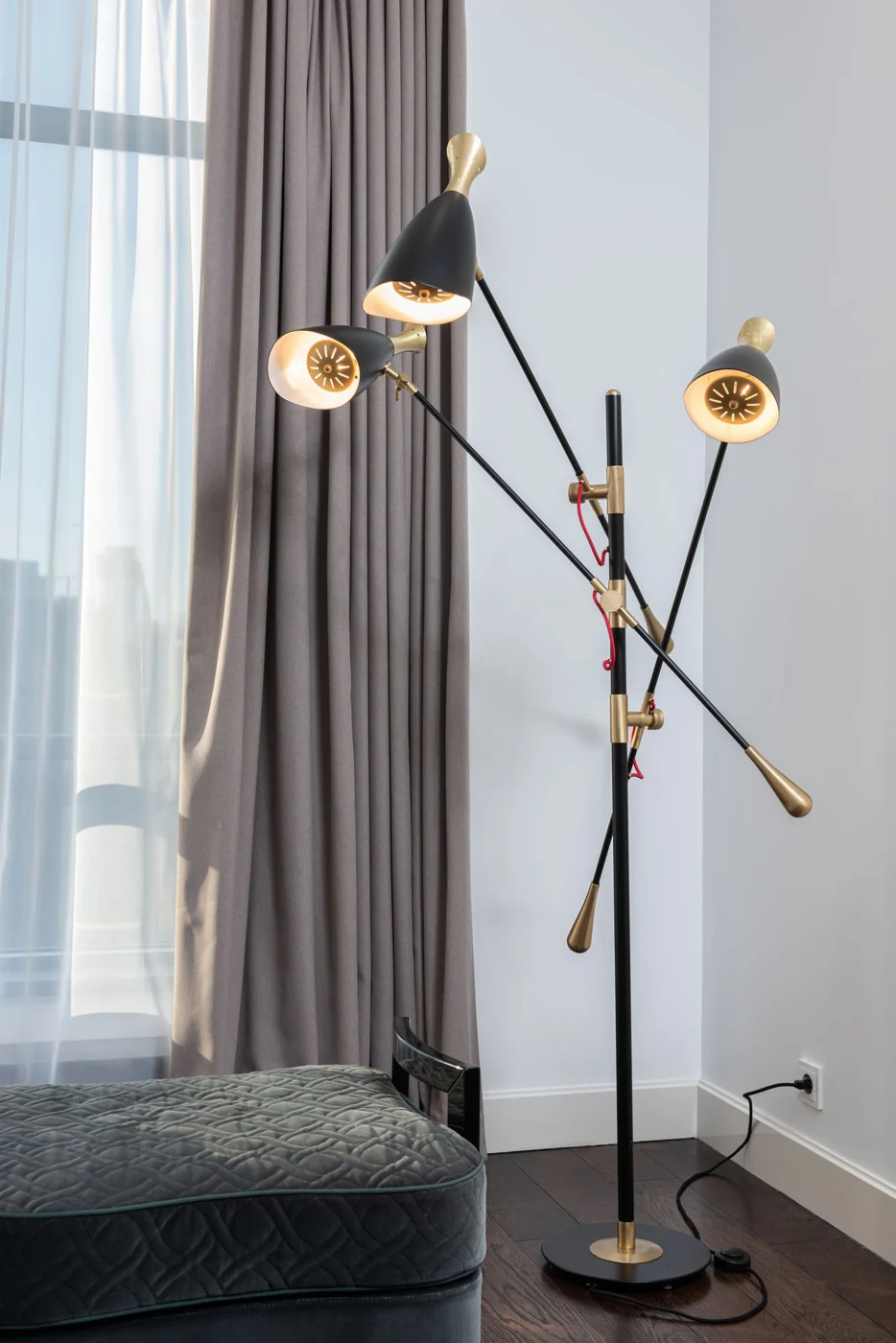 Light & textiles
A furniture move changes sightlines, shadows and cable routes as well as the floor plan.
Read article ↗