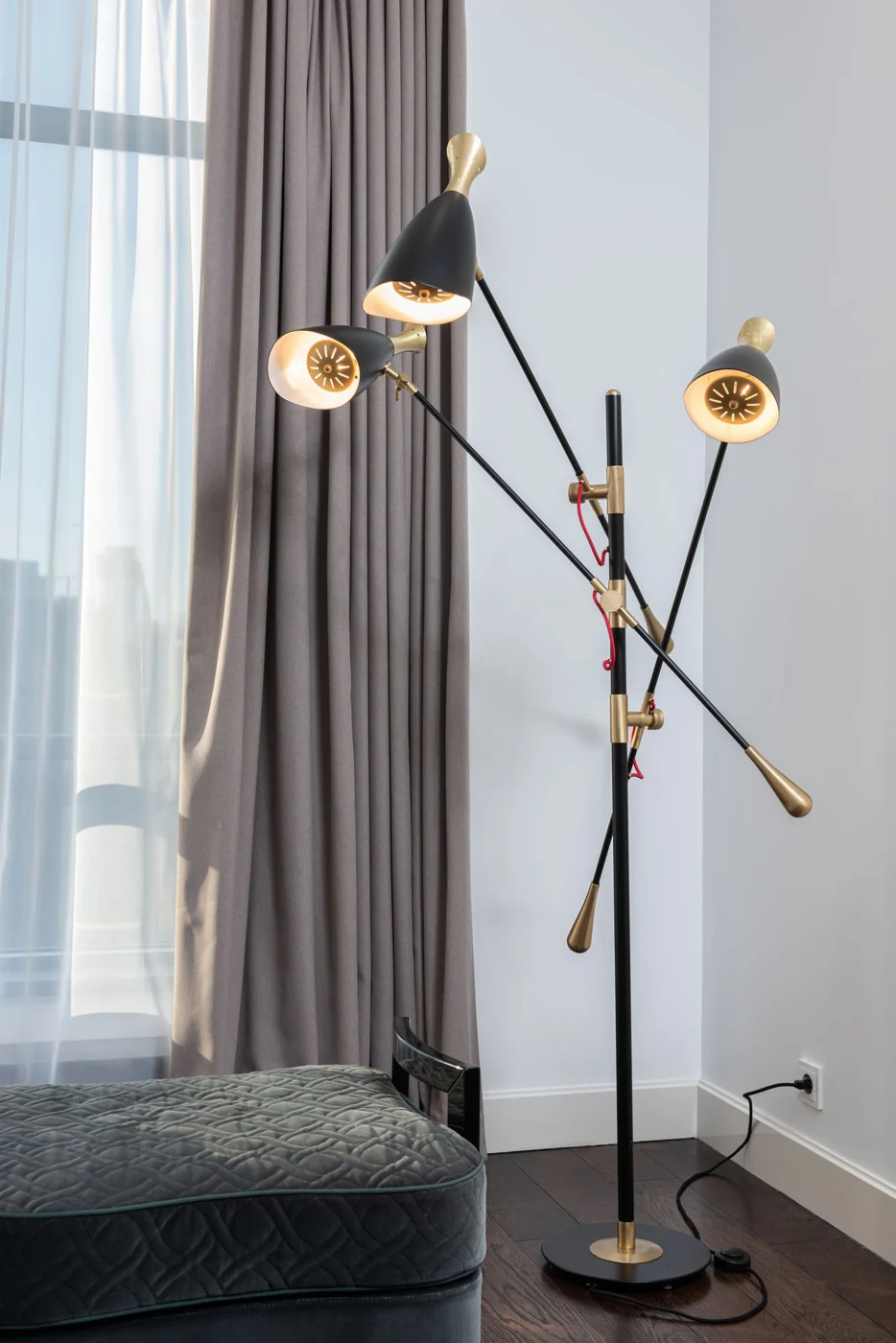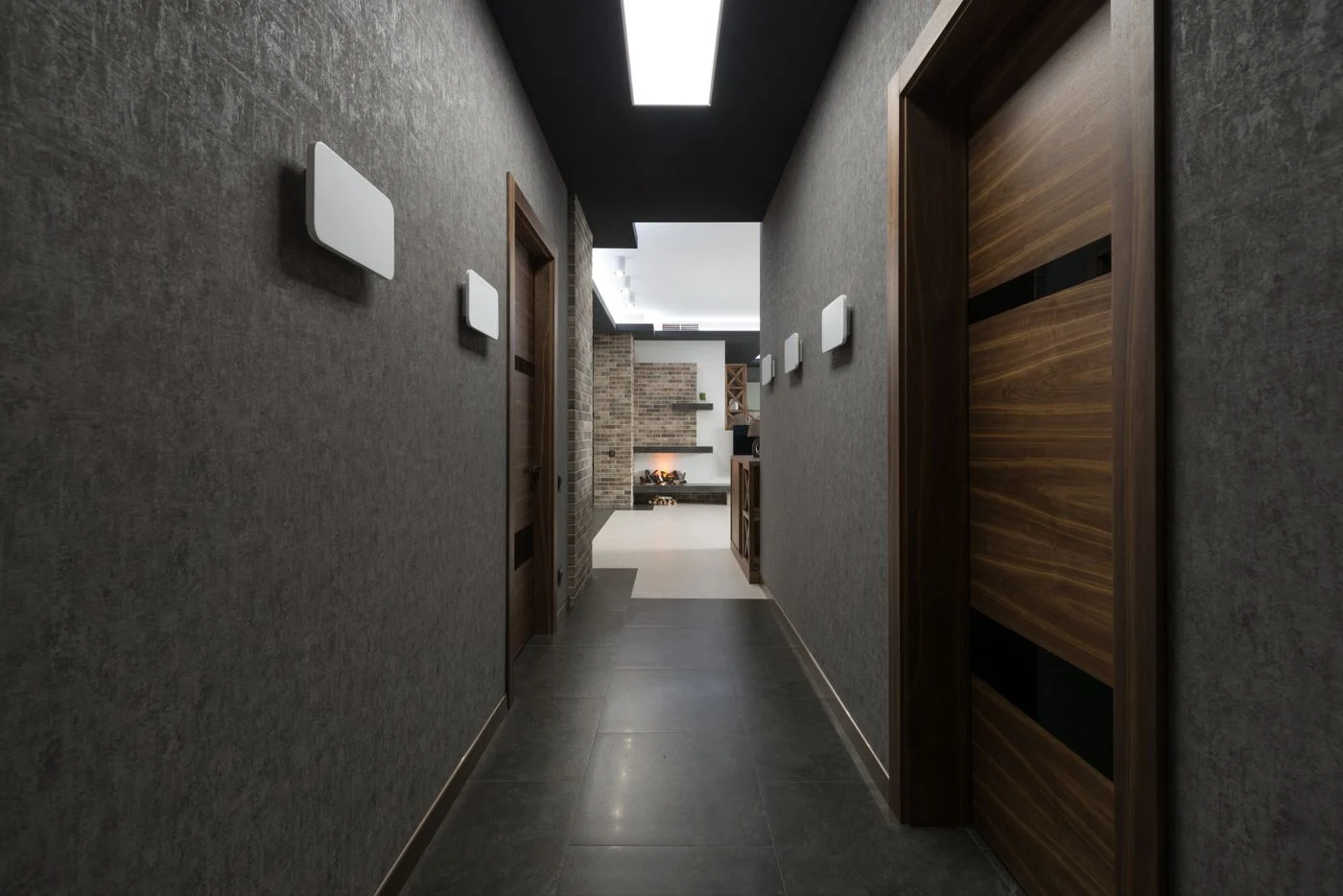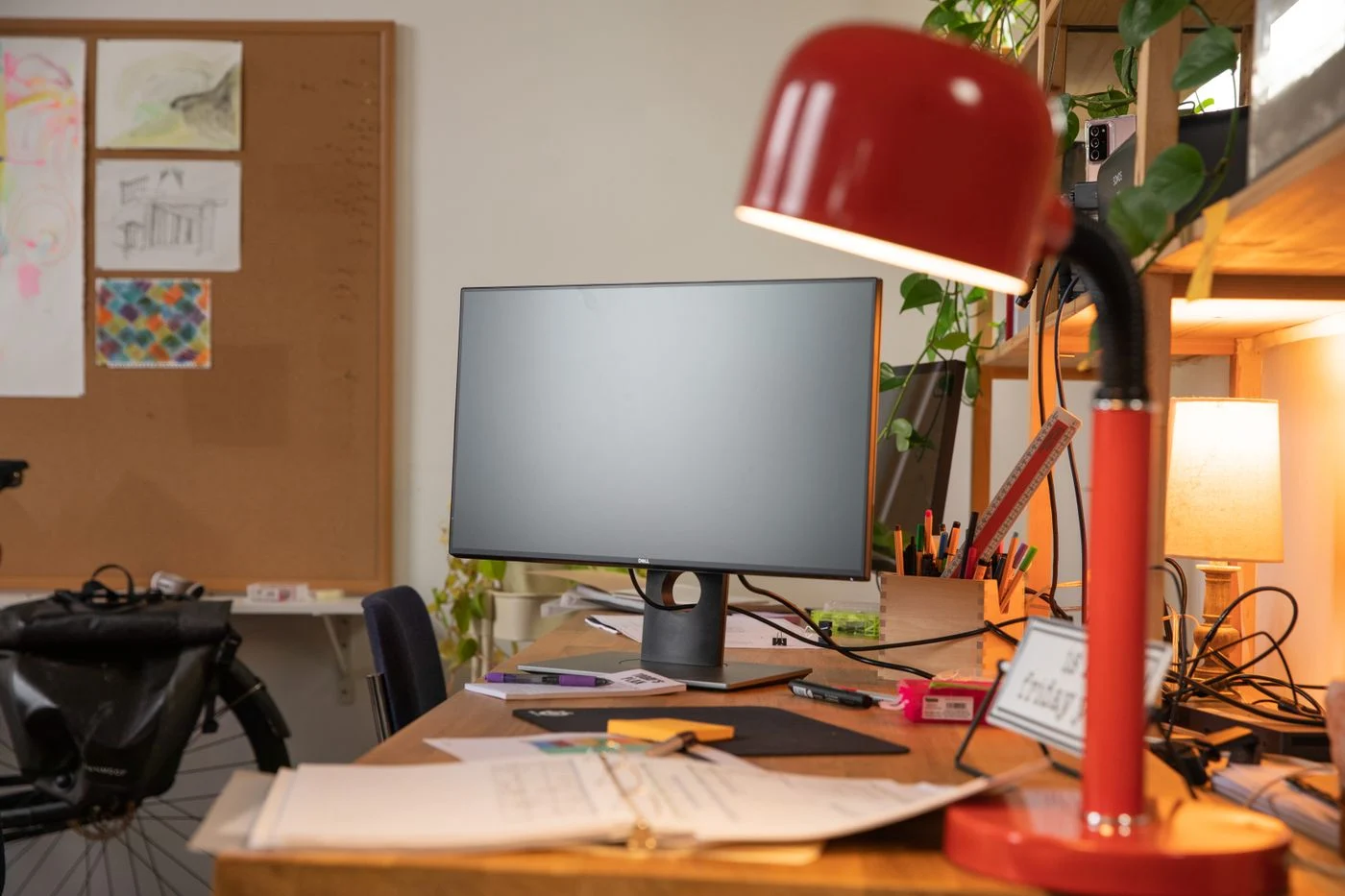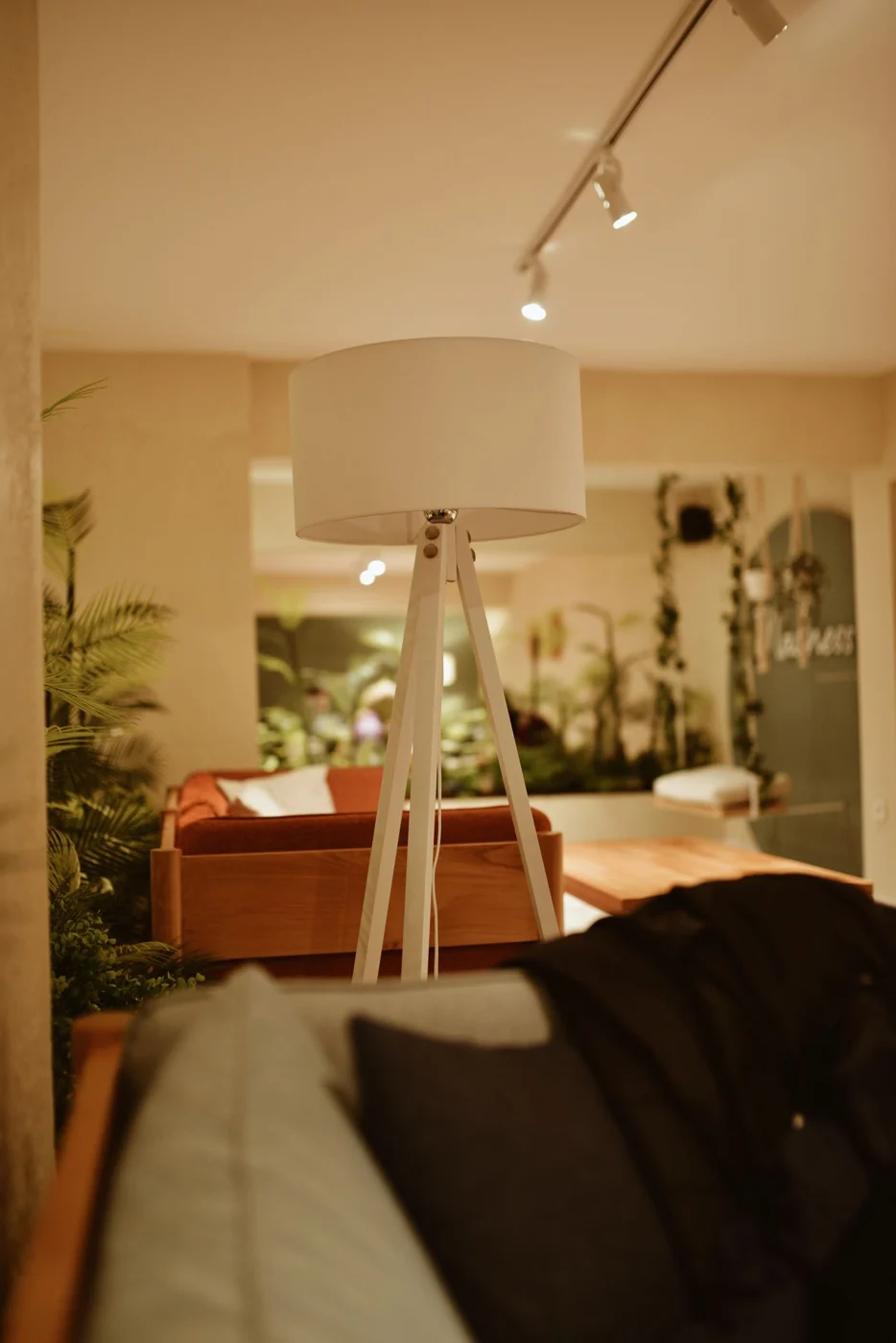
Give the corner a purpose
A dark corner may contain a reading seat, a plant stand or simply an unused part of the room. Those differences determine the lighting. For an activity, light must reach the relevant surface. If the aim is only to reveal the room boundary, an illuminated wall may be enough. An attractive lamp that misses the intended area does little to improve its use.
First remove objects blocking existing light. A tall cupboard or dense curtain may create a shadow that a small additional lamp only partly compensates for. Assess the corner separately during daylight and in the evening. A successful evening arrangement does not automatically improve the supply of daylight.
A corner containing shelving
Deep shelves, dark backs and tightly packed books can intensify the impression of a dark corner. Temporarily remove a few objects from one compartment and reassess the light. An open area may respond differently without another device. This is not a reason to organise books only by decorative spacing; access still needs to work.
If cabinet lighting is added, it needs mounting and cable routing suitable for furniture. Do not bury a light among loose paper or fabric. Follow the manufacturer's conditions and preserve maintenance access. A discreet installation succeeds only when the fitting remains reachable later.
Change direction before increasing output
Try an existing lamp with an adjustable head. Aim it at the wall first and then at the usable surface. These create different effects. A brighter wall can make the corner feel more open, while a narrow beam highlights one object. Expecting both effects from the same position can lead to an unnecessarily bright source.
Consider the surface being illuminated. A dark wall or deep shelving unit responds differently from a clear pale area. Shelf boards may block the beam so that only the top compartment becomes bright. A stronger lamp above the unit will not necessarily correct that distribution. Rearranging the objects or changing the direction of the light may be more effective.
Separate plant needs from decoration
A houseplant can look attractive beneath a decorative lamp without receiving enough light for growth. Choose its position according to the species and available daylight. An ordinary room lamp is not a guaranteed substitute for appropriate plant lighting. If the corner is unsuitable, moving the plant is more sensible than compensating with more frequent watering.
Finally check the socket, switch and access for cleaning. A lamp behind a heavy cupboard is unlikely to be adjusted or maintained conveniently. If the corner does not need to support an activity or display an object, it can remain subdued. A room does not need equal brightness everywhere; its routes and the surfaces actually used need to work.