Do not carry the old arrangement over unchanged
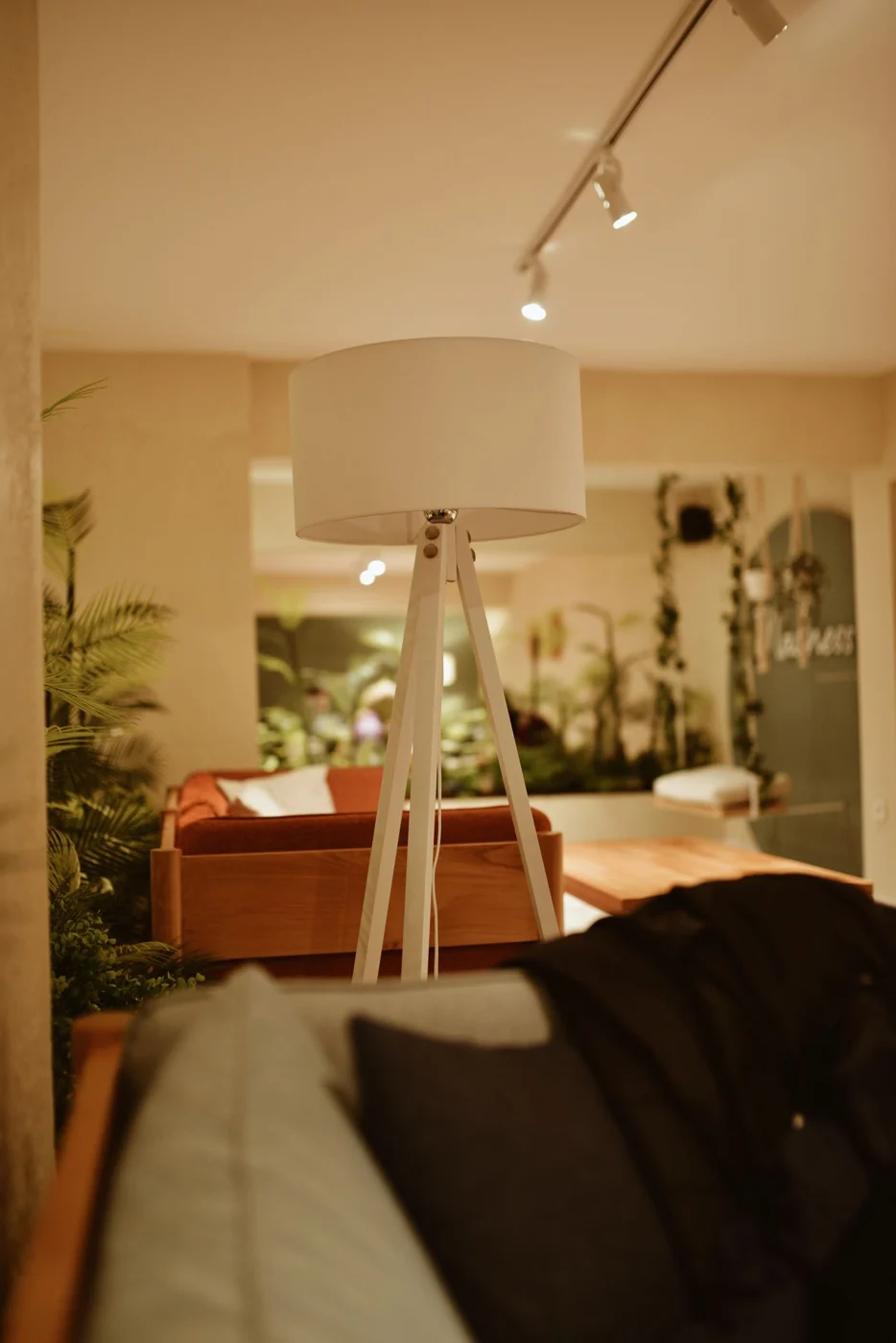
When a sofa moves to another wall, its reading lamp often stays where it was. The room may look familiar while the light no longer reaches the activity. After rearranging, switch on each lamp separately in the evening and identify its current job. A lamp without a clear purpose may simply need another position rather than replacement.
Begin with the most frequent activities. Sit on the sofa with a book, put paper on the table and walk towards the door. Check whether a head, backrest or new cupboard casts shadows across the working area. A wall that previously contributed to the room's brightness may now be covered by furniture.
A larger table changes the lit area
Replacing a small table with a longer top may leave the existing lamp above the centre while barely reaching the ends. Test the new area with activities on both sides. Shared work or games need usable outer positions too. A visually central fitting does not automatically provide suitable coverage.
Compare supplementary room light with another directed source before changing the existing suspension. Perhaps the whole surface is used only occasionally, when an easily controlled addition may be enough. Daily use of the complete table deserves a more thorough permanent arrangement.
Review the new sightlines
A moved armchair may face a source that was previously unobtrusive. Reflections in the television also change when the screen or sofa moves. Check the lamps from every seat used regularly. A quick inspection while standing is insufficient because shades and exposed bulbs appear differently when viewed from below.
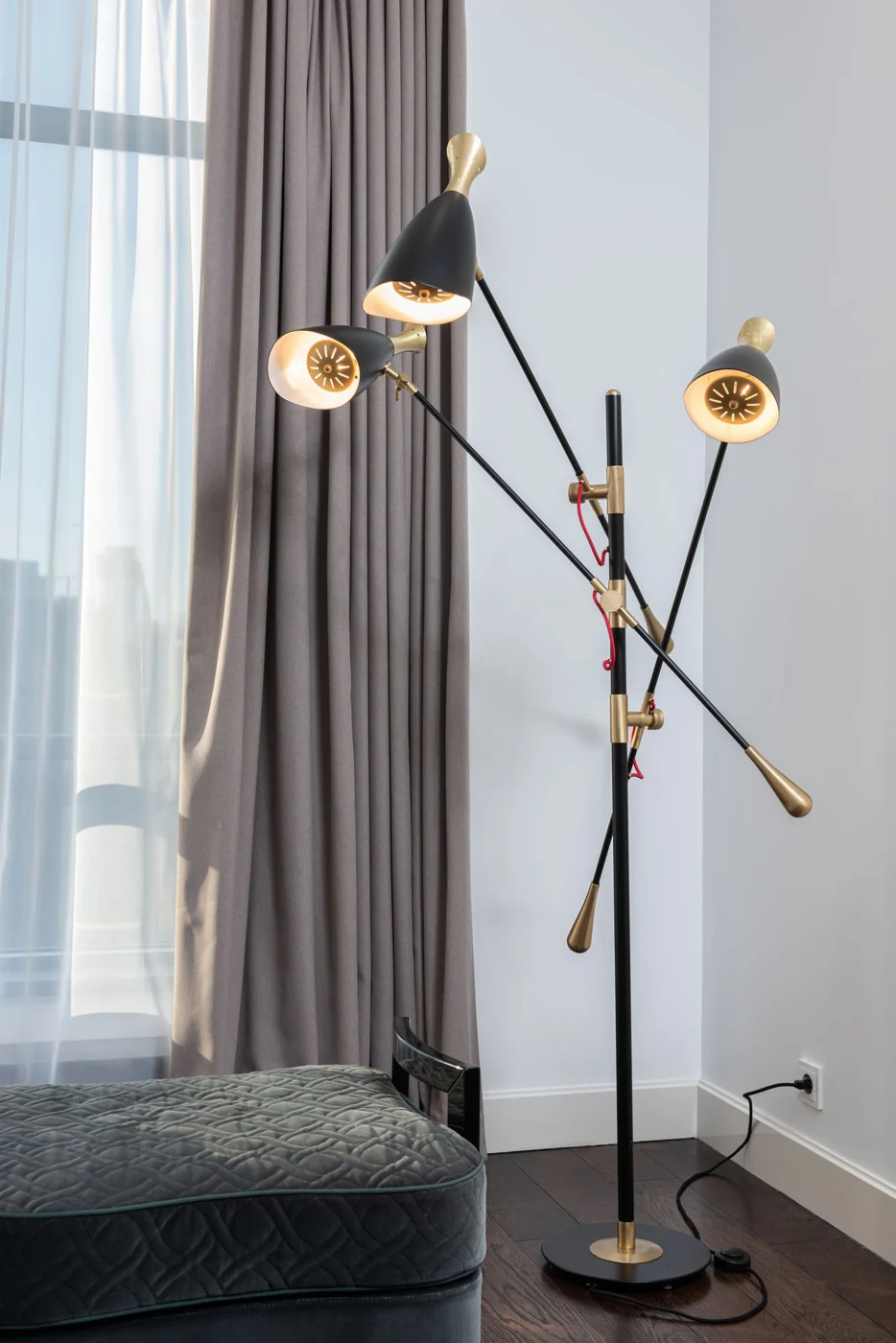
Include the windows. A lamp that once stood beside a window may now reflect in dark glass directly opposite the seat. Try small sideways movements before substantially reducing brightness. Sometimes the problem comes only from the new relationship between the viewer, glass and lamp rather than from the output of the light itself.
Reorganise cables and controls
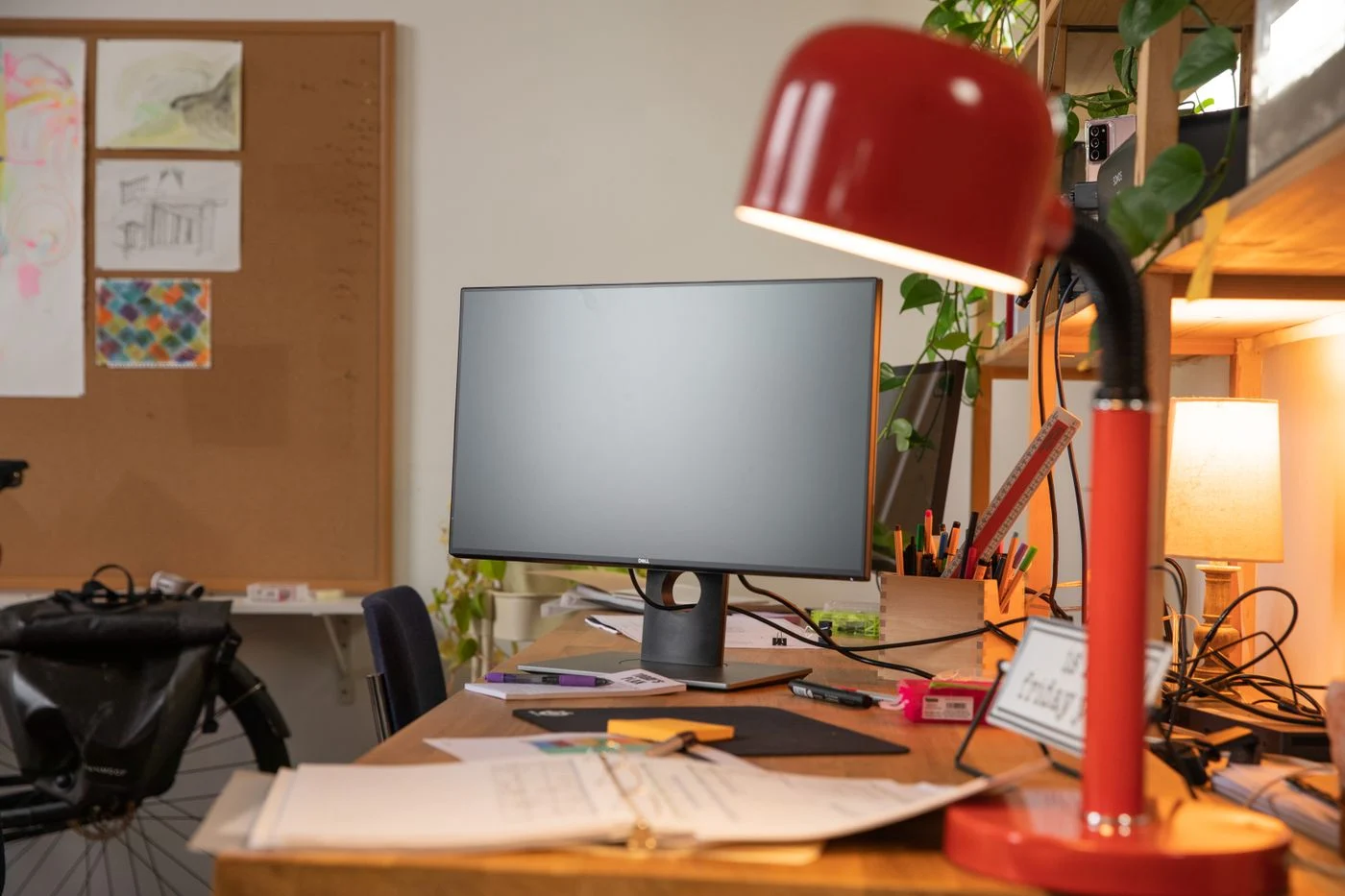
Follow each cable from its socket to the lamp. A previously protected route may now cross the main passage. Remove unnecessary loops and keep connections accessible. A switch behind the relocated cupboard is not a useful permanent control point, even if the lamp can still use the same socket.
Live with the revised distribution for several evenings before buying additional lights. Record a specific gap, such as the unlit half of a table or the dark route beside a shelf. Purchase for that task. Rearranging may also free a lamp that works better elsewhere. Moving furniture is a reason to redistribute the lighting, not automatically to replace it all.