Observe an ordinary evening
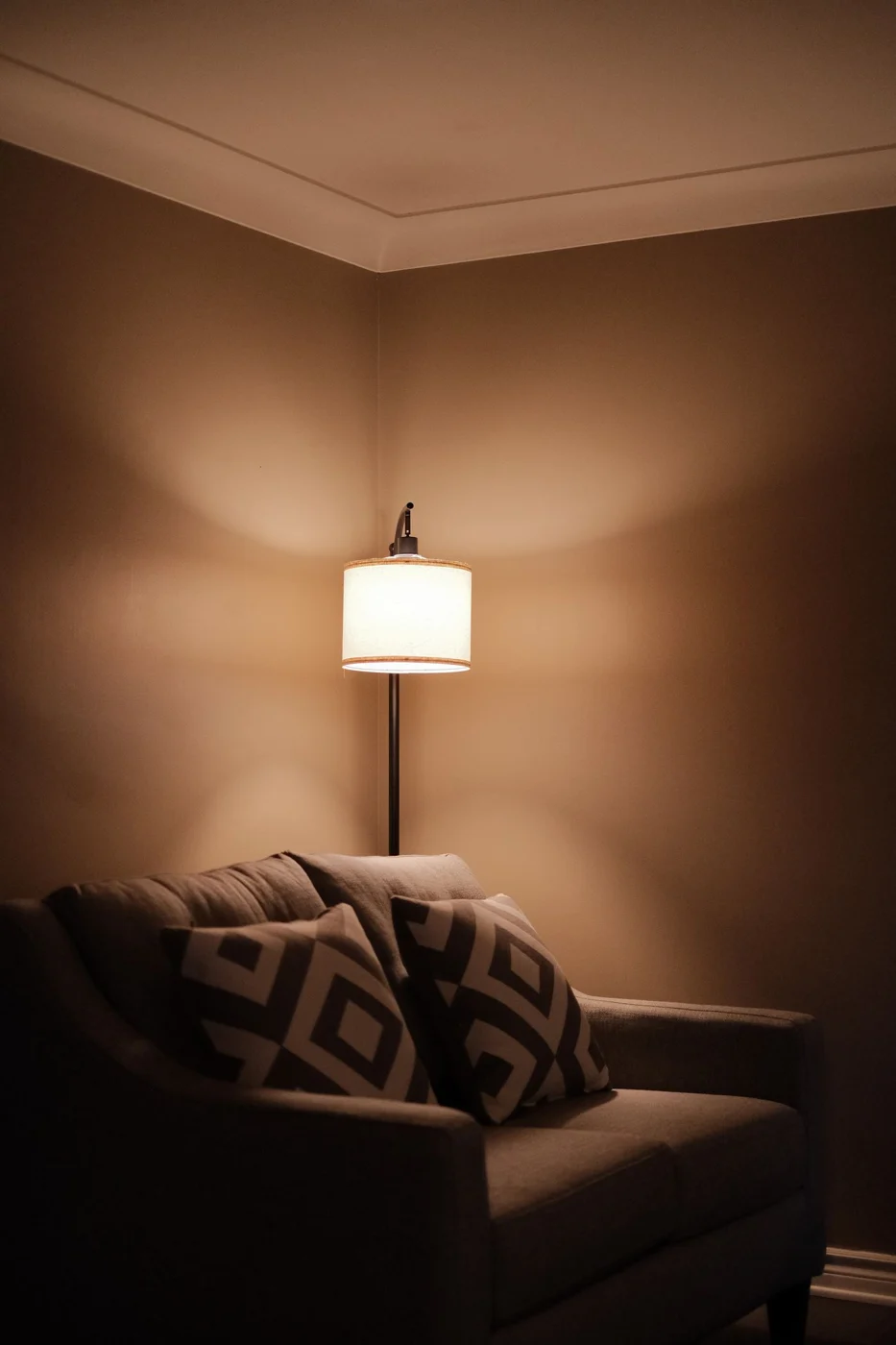
A living room is rarely used equally across its whole floor. Someone reads on the sofa, a game occupies the table, and the route to the door must remain visible. Mark these activities on a rough floor plan, then add the available sockets and the lamps you actually switch on. This gives the lighting a purpose before you start counting empty corners.
Keep the ceiling light if it helps with cleaning or finding a dropped object. It can simply play a smaller role in the evening. A table lamp might serve the seating area while another light brightens the far wall. Test that distribution with lamps you already own before buying more equipment. Moving one lamp can reveal a missing pool of light more clearly than a shopping list.
An evening with two activities
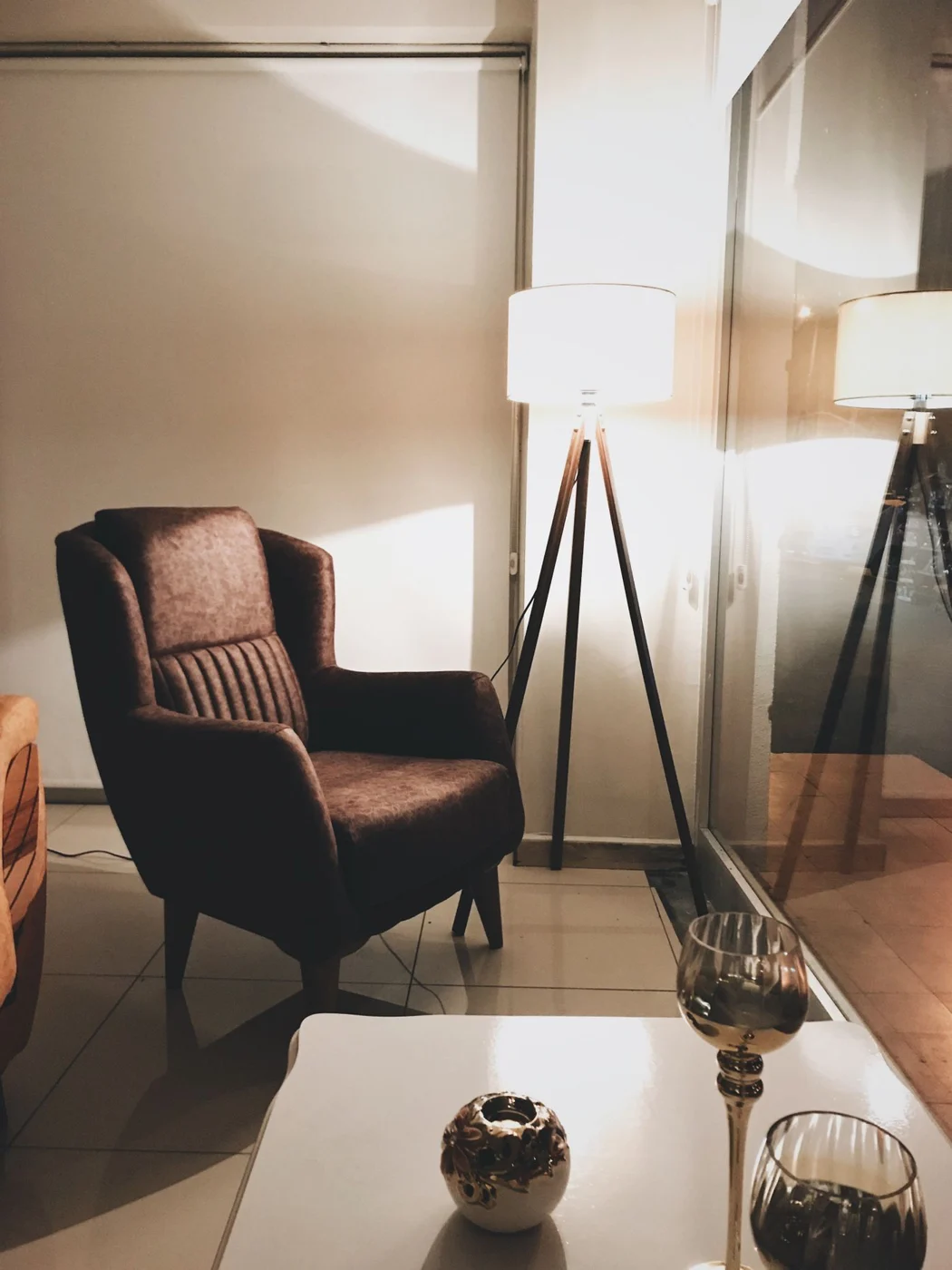
Trial an evening with two people: one reads on the sofa while the other sits at the table with a drink. Establish the reading light first, then add light for the table. From either seat, the other person should not be backed by an uncomfortable bright source. If the table lamp causes trouble, its direction may matter more than reducing the bulb's output.
Repeat with the television on if it is used regularly. A lamp that works during conversation may now appear in the display. It need not disappear from the room permanently. Separate control lets it switch off for that activity while another wall area provides background light. Record the few combinations actually needed.
Distinguish existing functions from decorative wishes. A dark display cabinet does not necessarily need its own light if it plays no part in evening use. Conversely, the route to the kitchen should not be forgotten merely because it is less visible from the sofa. Plan from the occupied room and keep the number of operating steps manageable.
Check activities separately
For reading, try the intended reading light with a modest amount of background illumination. If the page remains in shadow, move or aim the lamp towards the task. A very bright bulb on the opposite sideboard will not necessarily solve that local problem. During conversation, check instead whether anyone has an exposed light source directly in their line of sight.
Next walk from the sofa to the exit. Important obstacles should remain visible between the brighter areas. A low table, rug edge or bag should not disappear when the ceiling light goes off. Light directed towards a wall can provide a transition without placing another conspicuous bright point at eye level. Check this from the lower viewpoint of the seats as well as while standing.
Include the switches
A combination that requires walking around the sofa each time is unlikely to become a habit. Keep switches accessible and route leads alongside furniture rather than across circulation routes. If several lighting groups share a controller, make their functions clear. Simple labels can be more useful than a long collection of saved scenes that nobody remembers.
After a few evenings, record the specific gap. Perhaps the armchair needs more focused illumination; perhaps the centre of the room remains too dark. Buy for that missing function. Three well-positioned lights may be more useful than six illuminating the same wall. The appropriate number follows the room and its activities, rather than a fixed decorating rule.