Separate projects from reserves
A current project benefits from keeping its active materials and tools together. General supplies such as paper, fabric remnants or yarn can remain elsewhere. Mixing all reserves into the project box adds weight and covers the table with things not needed for the current session.
Add a short note of what belongs to the project and what is missing. A pattern, instructions or sample piece can stay inside. Position unfinished work so that scissors and glue bottles do not land on it during carrying. Delicate pieces may need their own flat support.
Judge the box when filled
Do not select by empty volume alone. Fill an existing box with similar materials and assess its weight. Handles need to remain accessible and suit the load. A large container requiring both arms wrapped around it may be awkward along a narrow route to the table.
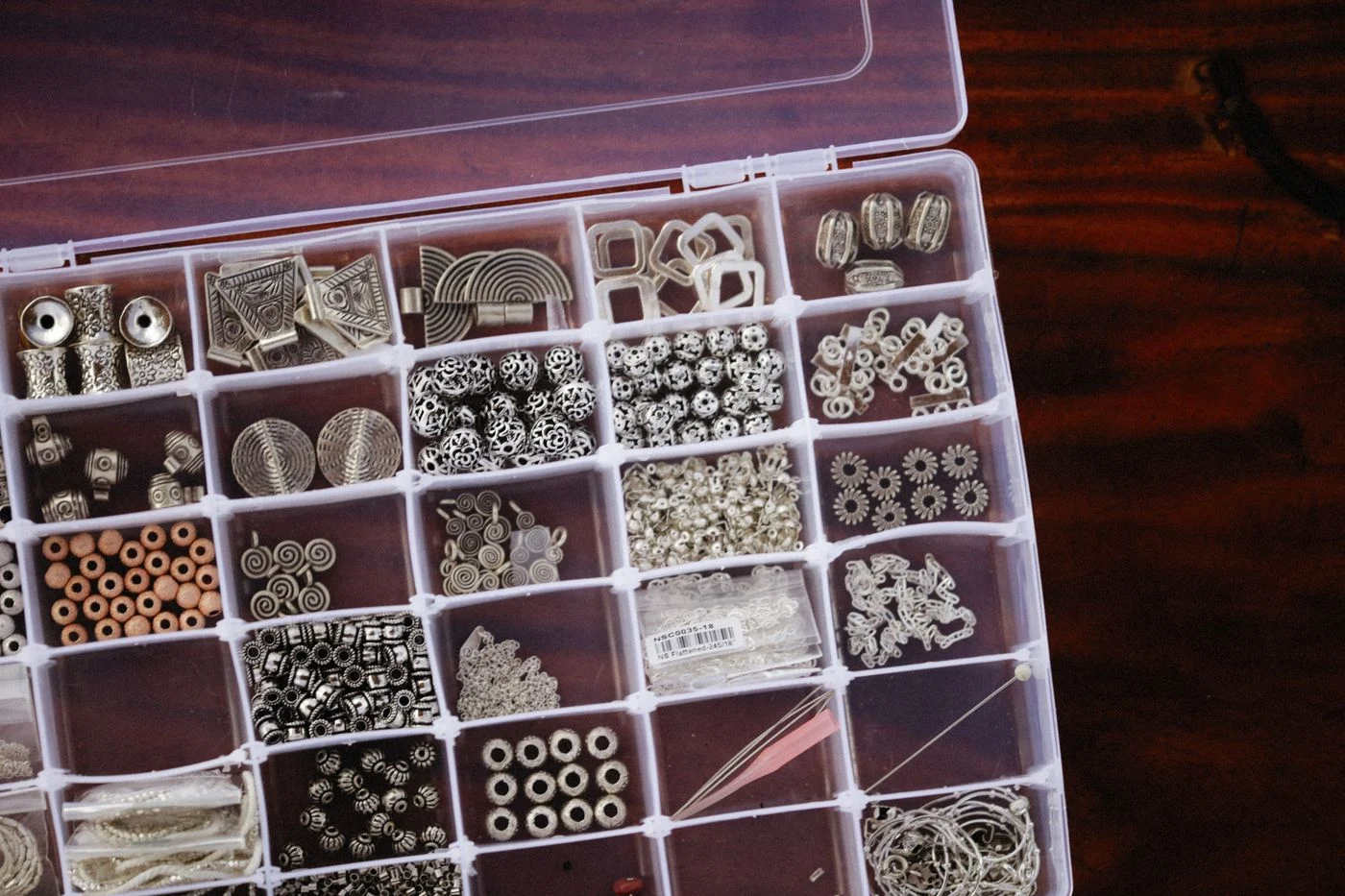
Small inner containers can hold beads, buttons or other components. Their lids should suit the contents and remain closed during transport. Too many nested layers delay starting, however. Frequently used tools should come out without emptying the whole box.
Respect material requirements
Glues, paints and other products retain their labels and follow their storage directions. A craft box is not automatically appropriate for every chemical or damp material. Sharp tools and small components need suitable protection for their properties and the household.
Allow recently glued or painted work to dry appropriately before close packing. A portable system should not interrupt necessary drying merely because the dining table is needed. Provide a separate protected temporary surface for that stage.
Release the table again
At the start, lay out only the required materials and reserve a small return area. Afterwards, tools go to their allocated places, waste is sorted and the project remains recognisable. Clearing the table then need not take longer than the brief working session itself.
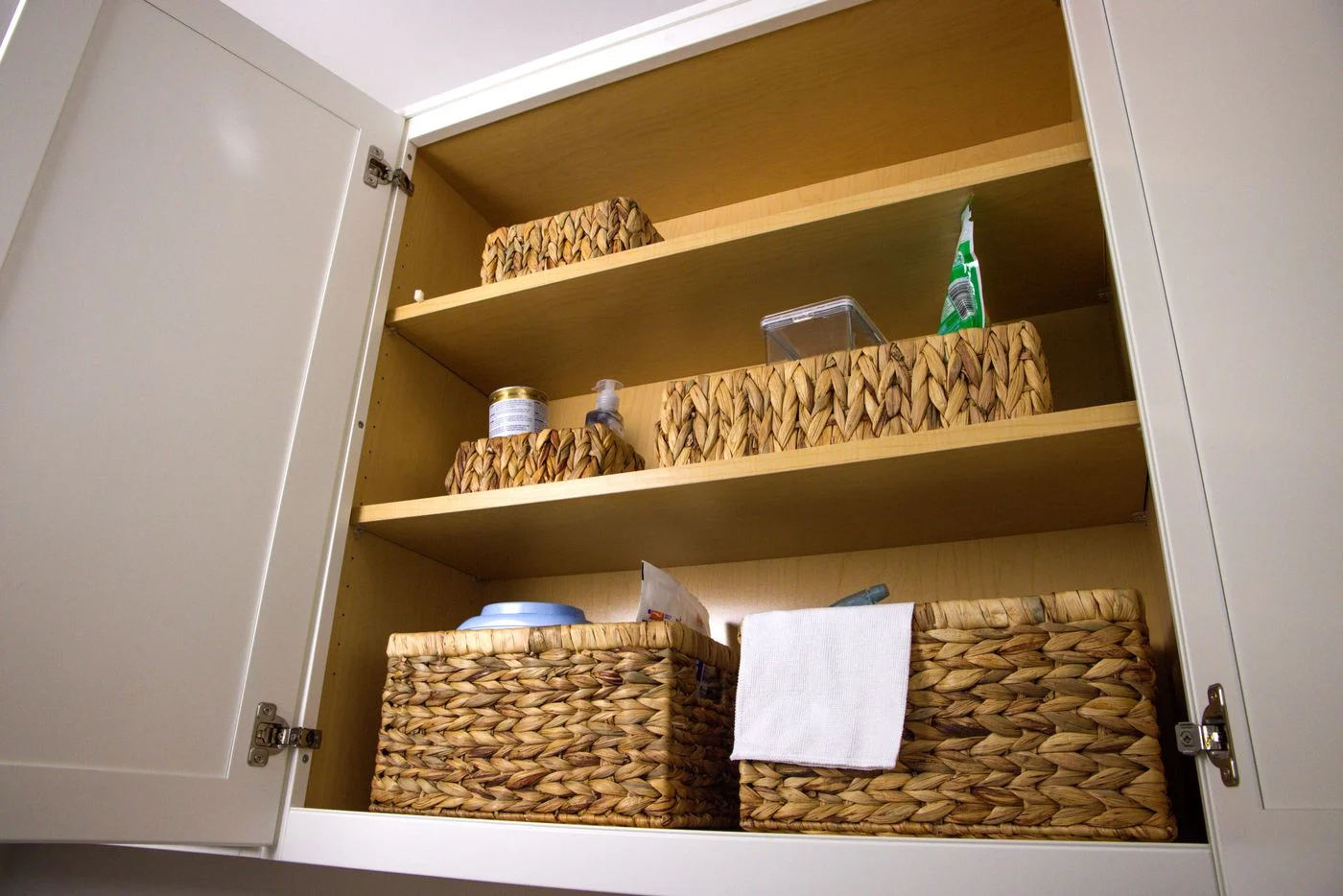
Review completed projects so their boxes can become available again rather than permanently holding leftovers. Portable storage works through limited contents and a regular return position on the shelf.