Separate by material and use
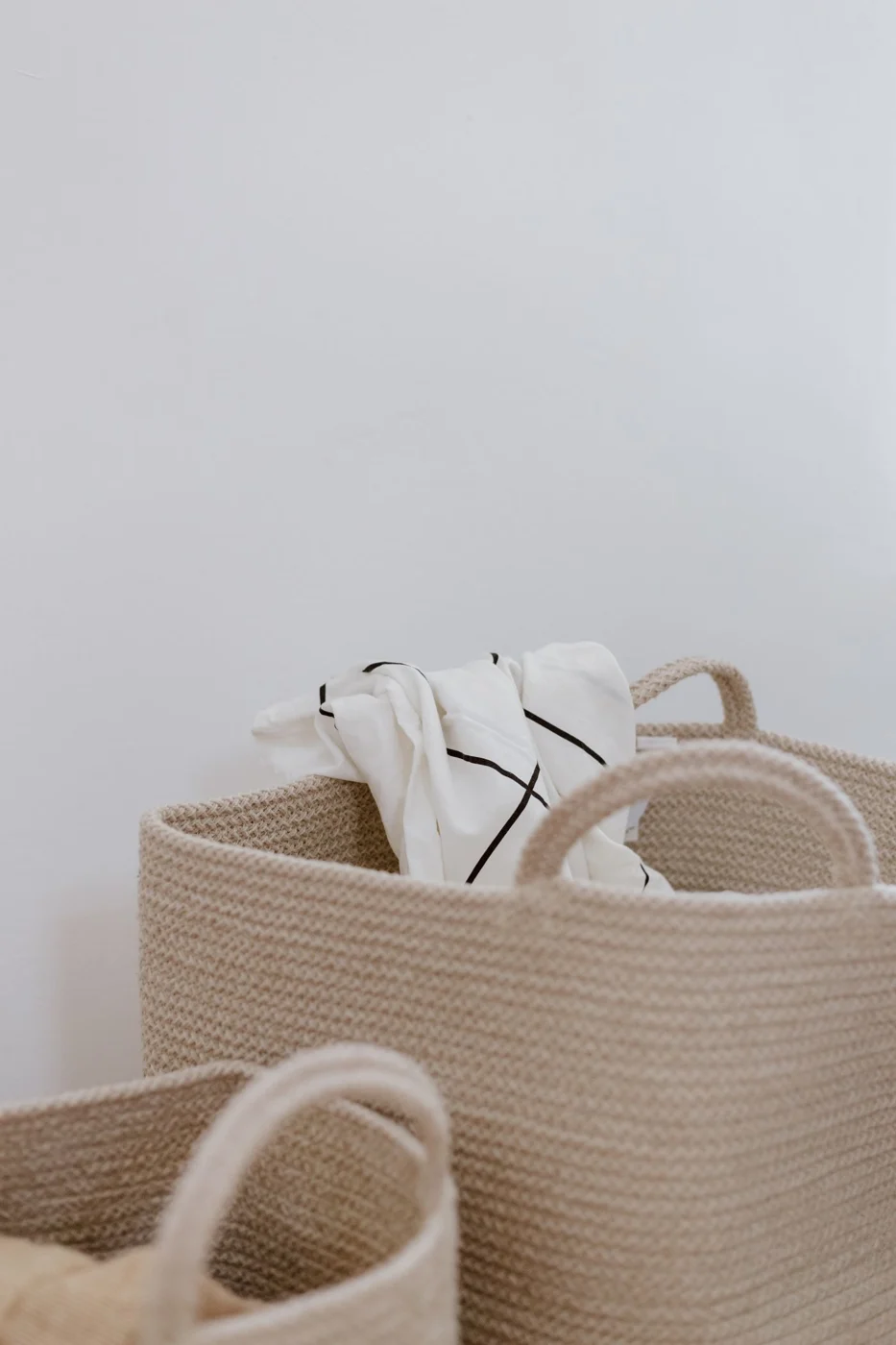
Check care instructions first. A soft fabric bag stores differently from a structured leather bag or one with a delicate finish. Frequently used bags need an accessible position where they can be removed without pulling against handles or straps.
Empty bags completely before longer storage. Food remnants, spilled cosmetics or a forgotten pen can cause unnoticed damage. Check internal pockets too, and clean only by methods suitable for the material. A bag should be dry before it goes into a cover or compartment.
Support the shape without overfilling
Where the manufacturer recommends stuffing, use suitable clean material and only enough to support the shape. Excess filling can strain seams or closures. Unsuitable printed material may transfer colour, so assess the filling rather than pushing arbitrary paper inside.
Long straps should not become trapped under heavy objects. Whether a bag may hang from its handle depends on construction and storage duration. A supported standing position may suit some models better. Keep delicate hardware from rubbing against neighbouring pieces during retrieval.
Divide the shelf sensibly
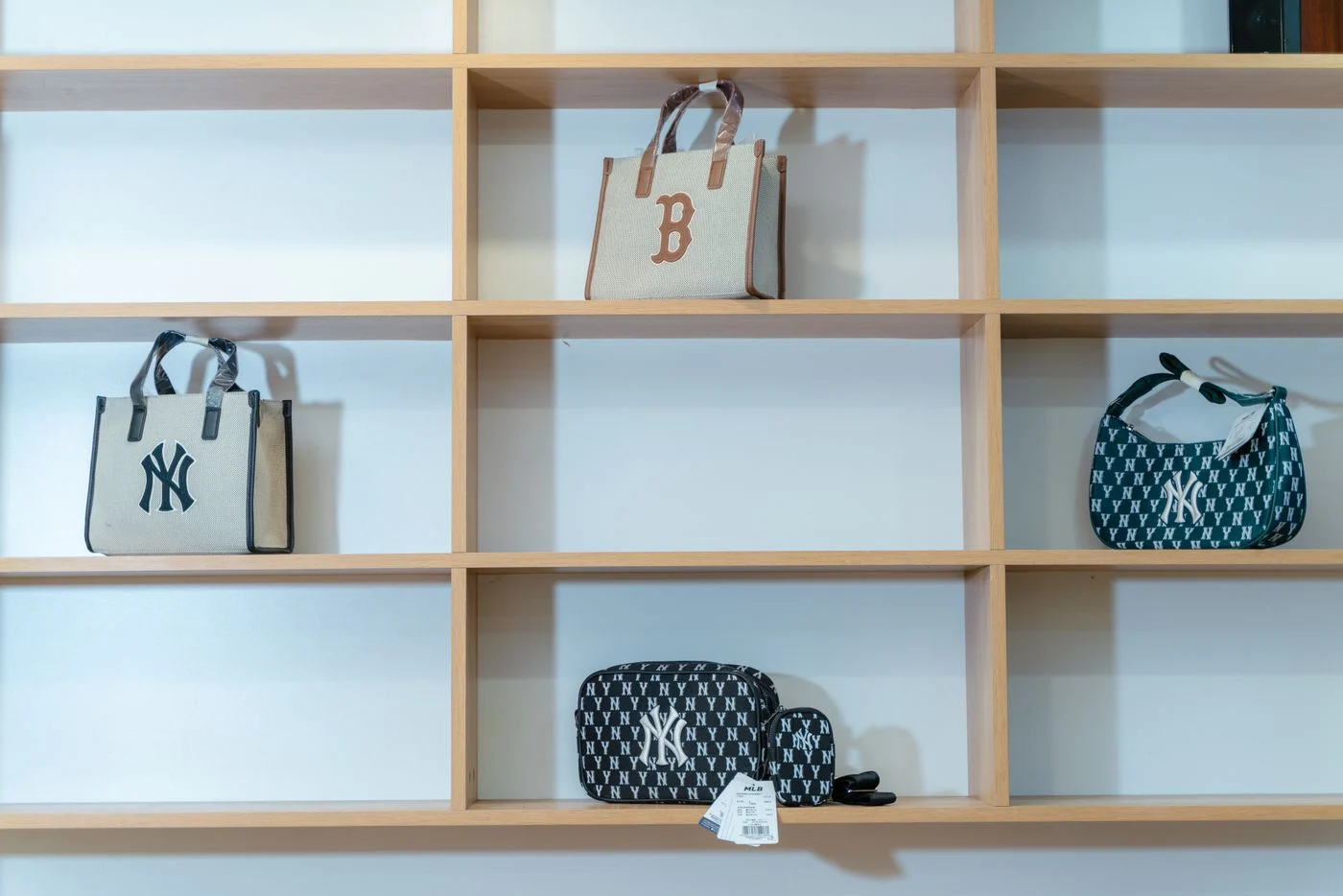
Arrange everyday bags in a manageable row. Very tight compartments can squeeze the sides when a bag is removed. A divider helps only if it has no damaging edges and leaves adequate room. A dust bag should fit and allow its contents to be identified.
Nesting bags saves space but is not appropriate for every material or structure. Check whether an inner object distorts the outer bag or transfers colour. The most compact arrangement is not automatically the gentlest one.
Make changing bags easier
A small removable pouch for frequently transferred belongings can simplify switching bags. It should not overfill either model or make important objects hard to reach. Keys and a wallet then need not be searched for in several previously used bags.
Inspect occasional bags periodically. Unsuitable dampness or pressure may otherwise remain unnoticed until the next event. If the collection cannot fit without squeezing, changing its allocation or reducing the selection is more useful than tighter stacking.