Choose the position for the activity
Look for more than an empty corner. Sit in two or three possible locations and notice what happens around them. Does someone regularly pass between the seat and window? Is there a bright surface in your field of view? Does the television make concentration difficult? An unused gap is not automatically the best place to read.
Think about the time of day when you will use it. A position with pleasant morning daylight may need a different lighting arrangement in the evening. If you mainly read after work, try it then as well. The corner needs to work at ordinary times, not only in a photograph with the curtains open.
In a shared living room, turning slightly away from the main seating group can help. The armchair does not have to be isolated. Facing books or a quieter wall may be enough. Avoid arranging it so that other people feel they have to apologise whenever they walk past.
Try the sitting position for longer
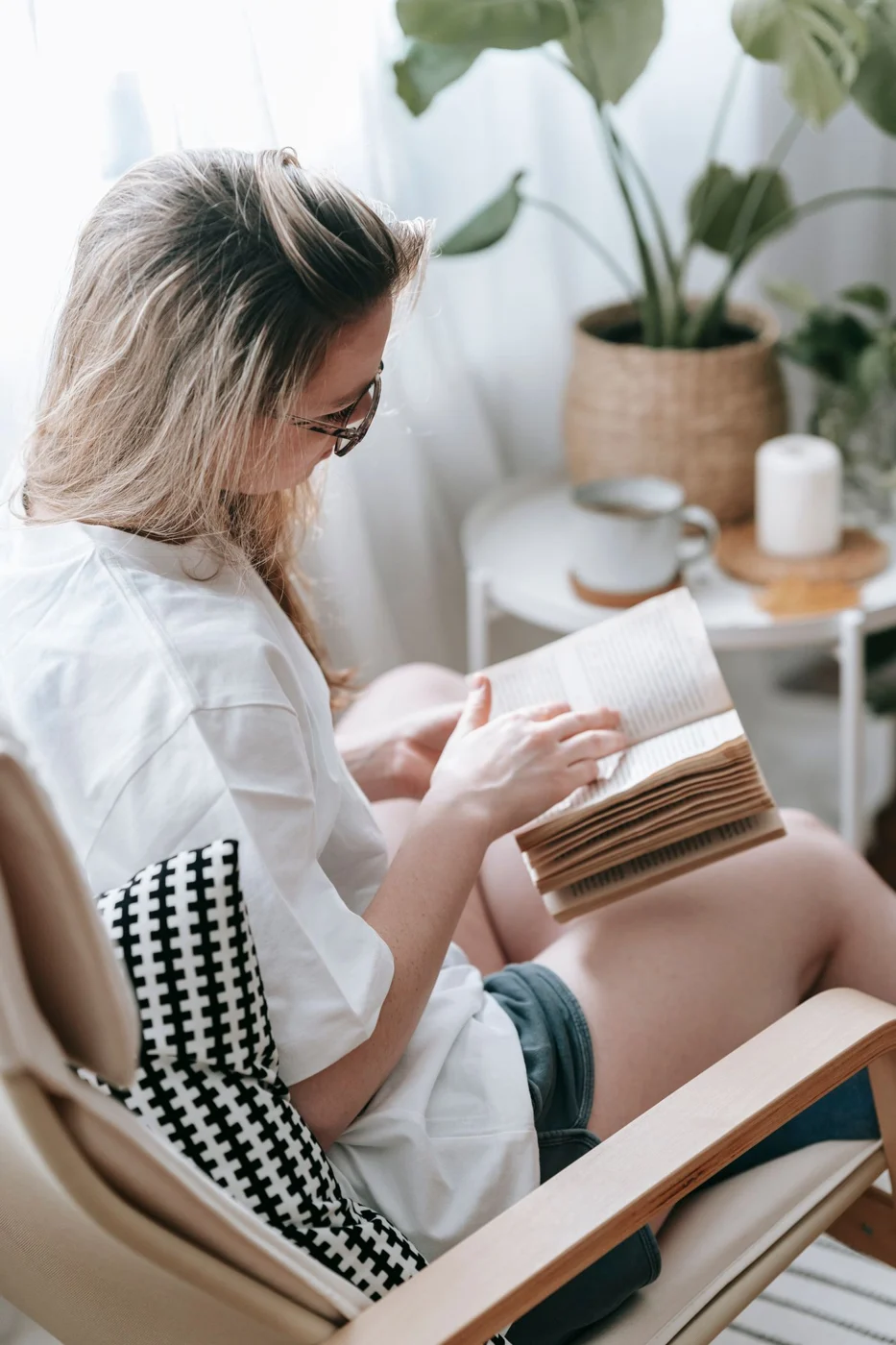
A deep chair may look inviting but need an additional cushion to support your back while reading. Check whether your forearms can rest somewhere and the book can be held comfortably. A brief sit reveals only part of this. Stay in the posture you would actually use for a while before deciding.
A footstool changes the footprint considerably. Mark the area between it and the chair as well as the route beside it. If it must be moved after every use, it should be manageable and have a regular storage place. Sometimes a suitable armchair without another piece of furniture is the less demanding solution.
Judge the side surface from the seat. A cup should be reachable without balancing over an armrest. A small top often accommodates a book and glasses. A larger collection of current reading belongs on nearby shelving so that the immediate reaching area remains clear.
Make the light and reset work
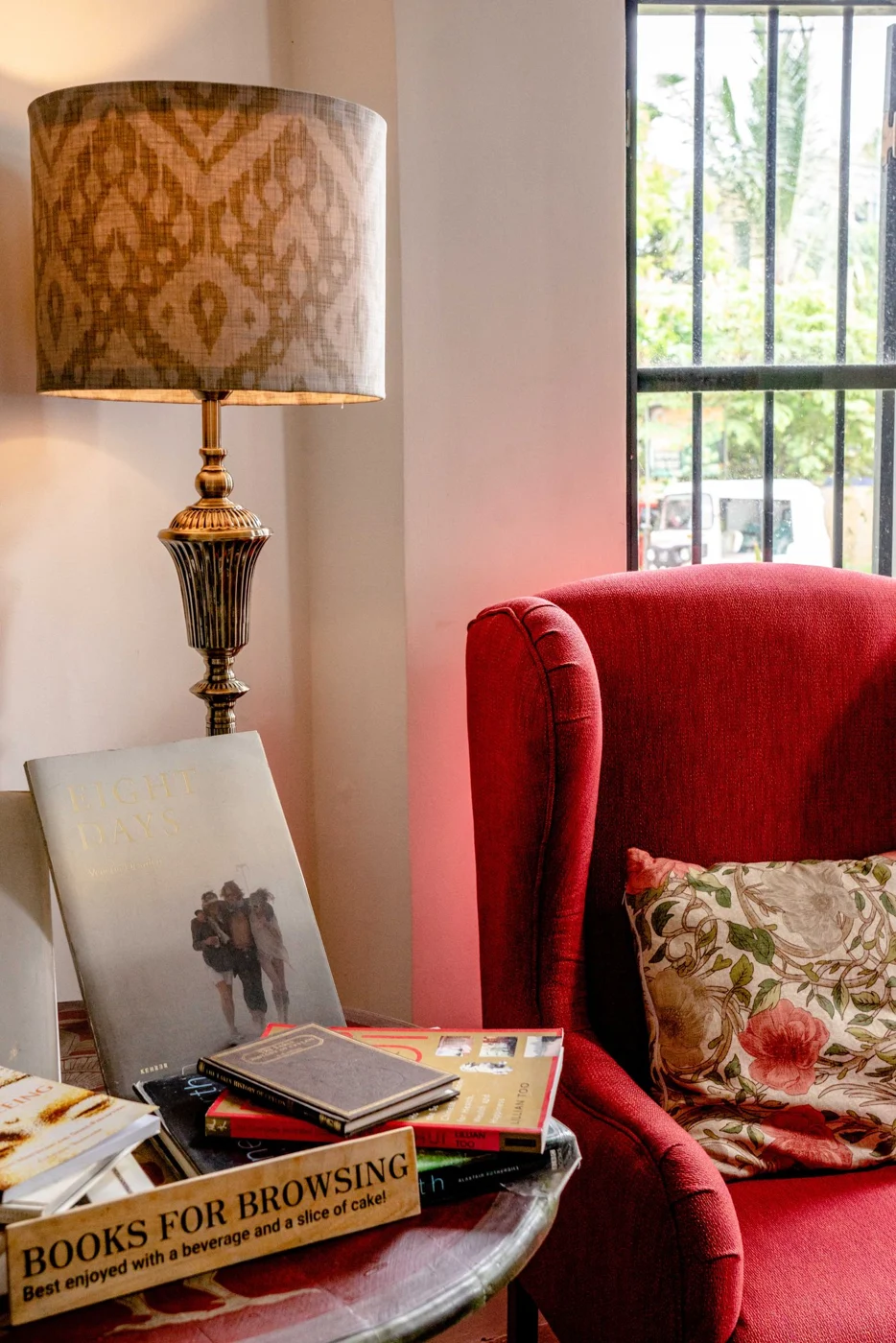
Position an appropriate lamp so that the page receives enough light without the source shining uncomfortably into your eyes. Try different book sizes and the way you hold them. A glossy illustrated book reflects light differently from a matt paperback. The position should therefore be tested with what you actually read.
Keep the cable out of the walking route and the switch within reach. Turning or moving the chair should not pull the cable tight. A small basket can hold a blanket, but it should not take the space needed for feet or standing up.
Finally, limit what lives there permanently. A current book and a used blanket belong to the activity; unopened post and bags turn the corner into a dumping place. If the seat can be made ready again in a minute, it is easier to use even for a short reading break.