Choose its main job
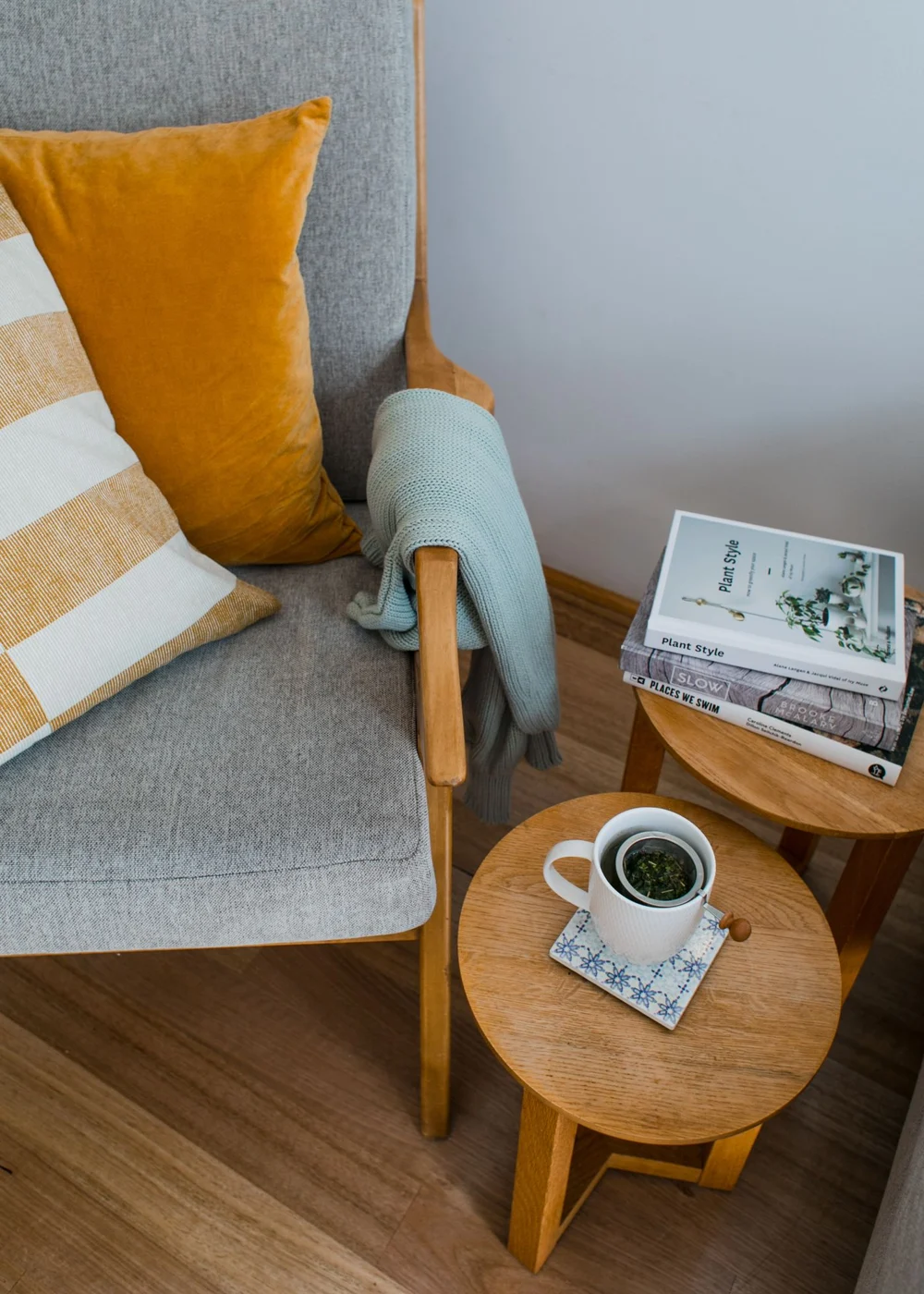
Start with the place where the table will spend most of its time. Beside an armchair, a small surface within easy reach may be sufficient. Supporting a tray calls for a larger, level top. One design can do both, but not every extra function works with every shape.
Gather the objects you intend to place on it before comparing dimensions. A book, glasses and a drinking glass need less space than a lamp with a broad base. If the lamp stays on the table permanently, part of the top is already occupied. The usable area can therefore matter more than the overall diameter shown in a product description.
Make movement realistic
Manageable weight and suitable gripping points help when moving a table. Lift it only by appropriate parts and follow its load instructions. A removable tray is not necessarily a handle for carrying the whole frame. Small castors also need a floor on which they can roll effectively.
Try the route between its intended locations. A rug edge or narrow gap may turn a supposedly mobile surface into furniture that must be lifted repeatedly. If it moves near drinks, controlled movement matters more than a delicate appearance. Put hot or full containers somewhere secure before moving the table itself.
Do not expect every function at once
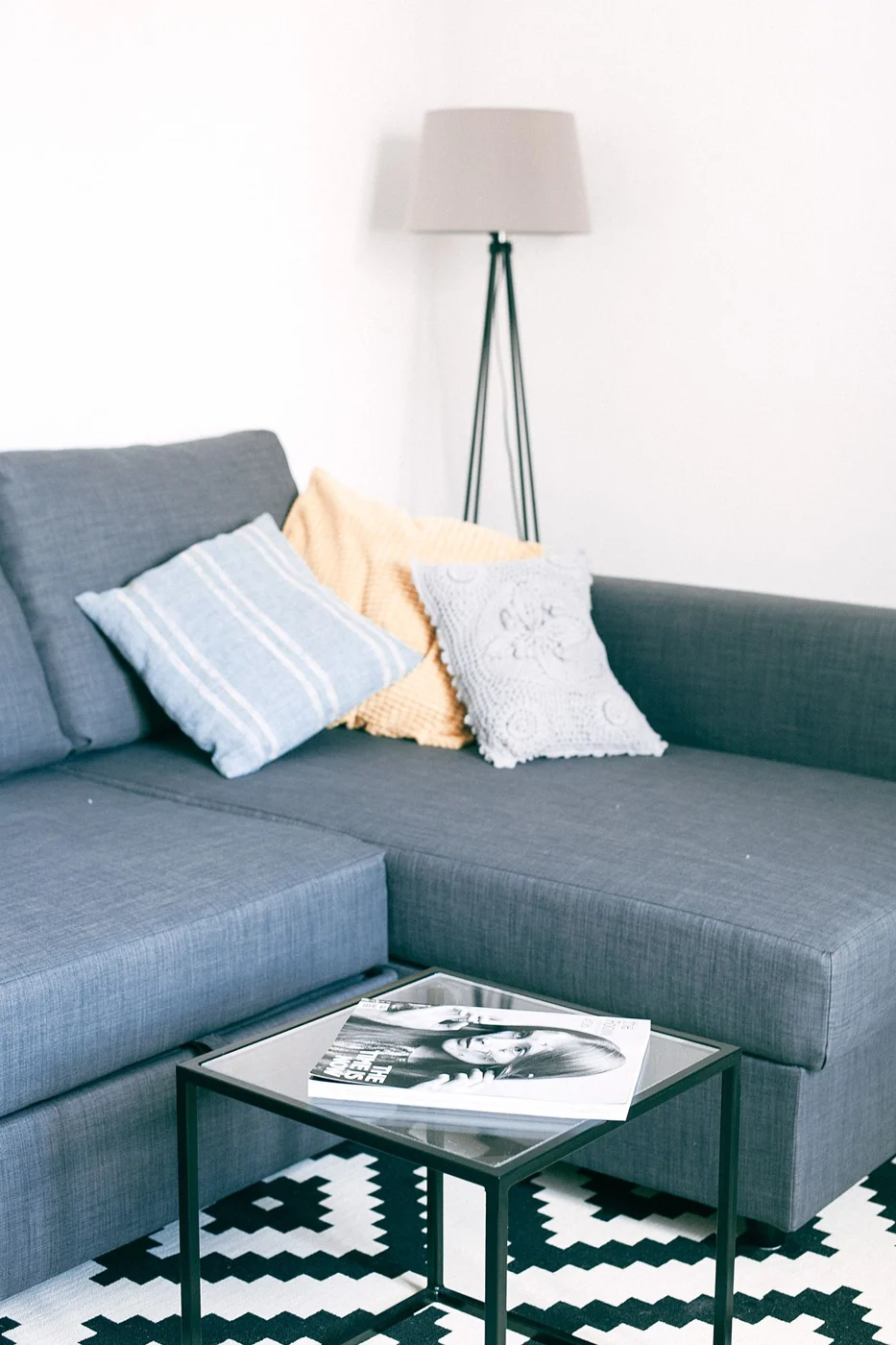
A basket below the top provides storage but makes the table heavier when filled. Nesting tables still occupy space when together, and create two separate obstacles when apart. A C-shaped base will slide under a sofa only if the clearance and internal crosspieces allow it.
Give the table a regular return position so it does not wander through the home and disappear from the place where it is needed. If people will use it as a seat, choose a product specifically intended for that purpose. Looking like a stool is not evidence of a suitable load rating. A straightforward table with one clearly defined main task often offers more useful flexibility than an elaborate design that requires rearranging other objects every time it changes role.