Keep the human scale
Arrange seating and work areas around their use first. A sofa need not be unusually tall or large because there is empty wall above it. Back height, tabletop height and accessible surfaces still depend on bodies and activities.
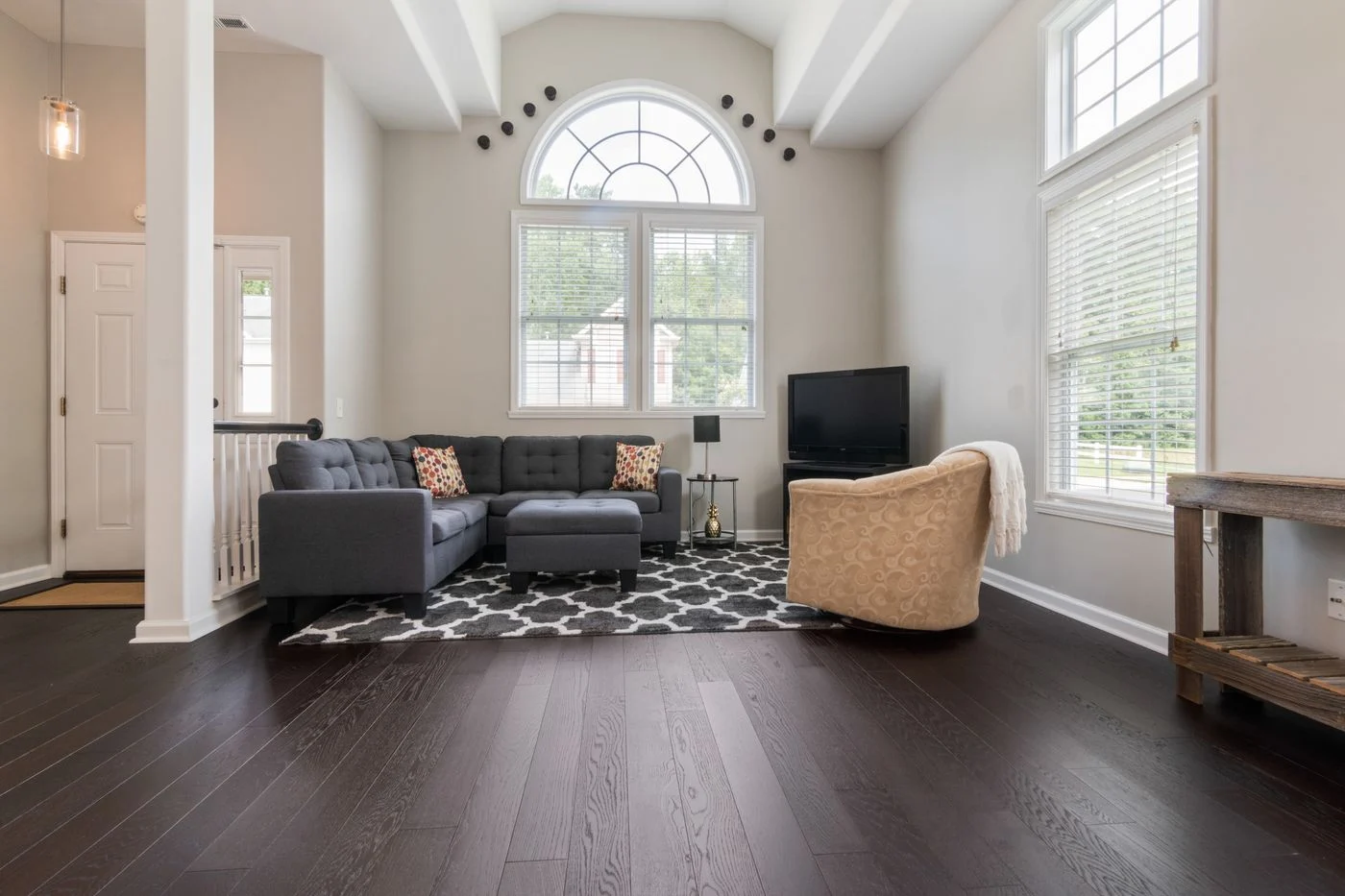
Look at the room from seated eye level. A group of very low pieces may feel disconnected if nothing provides another level above them. One taller shelf or a well-positioned picture can create a connection without furnishing every wall completely. The relationship between groups matters more than the maximum height of each object.
Use high storage deliberately
A tall cupboard may hold plenty, but the upper compartments remain harder to reach. Reserve them for suitable, infrequently used belongings and plan a safe way to access them. Heavy objects should not go high merely because the lower shelves are full. Observe the furniture's loading and fixing requirements.
Putting another shelf on top of an existing cabinet is not automatically an approved extension. Use combinations intended for that arrangement or have a bespoke solution properly designed. Available ceiling height says nothing about a furniture combination's strength or resistance to tipping.
Allow some wall to remain empty
A larger picture may suit a tall wall, but its viewing height should still relate to ordinary use. Do not hang it high simply to fill the wall. A group of smaller pictures can also work when arranged as a coherent area.
Curtains and lights influence the vertical effect while bringing their own installation and operation needs. Check that they can be maintained accessibly and that their fixings suit the surface. Long textiles should not obstruct doors, radiators or other functions.
If the room feels disconnected, change one height relationship first, perhaps the position of a picture or existing shelf. More furniture is not the only response to empty wall. Some of the generosity of a high ceiling comes precisely from leaving part of that space without an assigned job.