Draw two complete room arrangements
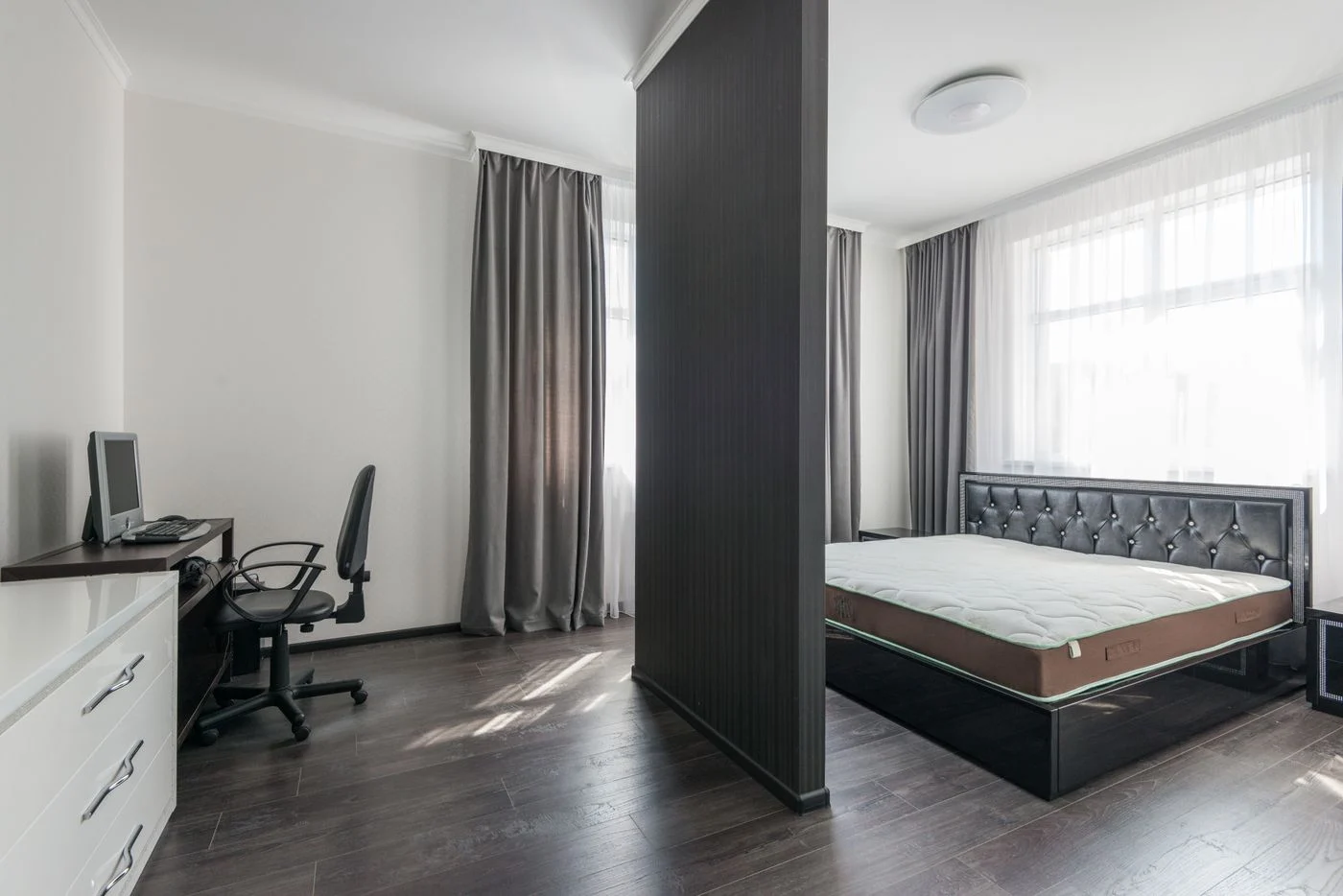
Map an ordinary working day and an overnight stay separately. The first includes the desk chair, open drawers and access to documents. The second adds the sleeping surface, a bag, bedding and the route to the door. Overlay the plans and mark everything that must move.
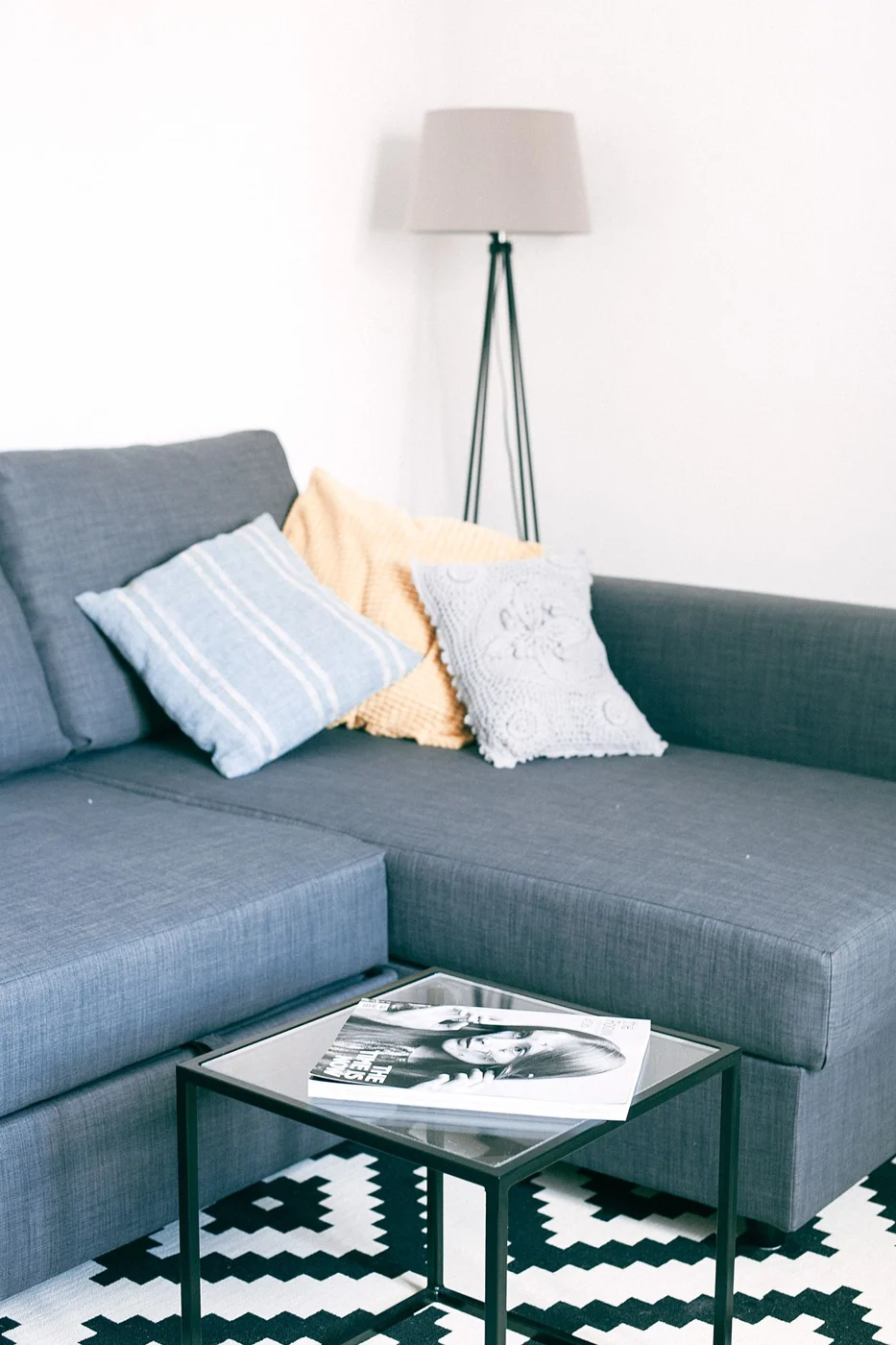
A sofa bed is not automatically the most economical option. It can provide another seat, but also needs opening space. A daybed remains visible while avoiding conversion of the sleeping surface. Another suitable guest-bed option may work if it can genuinely be stored between visits. Compare the entire sequence of use rather than the closed footprint alone.
Put work materials away deliberately
Provide a closed, accessible place for confidential papers and work equipment. This also protects the next working day: documents should not be scattered into several boxes simply to clear space quickly. A labelled project folder or an empty compartment can simplify the change.
Cables and chargers should not create obstacles at night. Decide which devices need to remain in use and which can be switched off or stored according to their instructions. A guest should not have to guess which socket or lamp may be used. An obvious available charging point and reachable light switch make the arrangement clearer.
Make room for the person staying
An overnight stay needs more than a mattress. A small surface for glasses and a phone, a clothes hook and a place for a bag prevent the desk from becoming completely occupied. If the guest remains in the morning, they should be able to use the room without first moving work materials.
Check blinds and ventilation in the actual sleeping arrangement. An unfolded piece should not make the window handle inaccessible. A lamp beside the bed needs a stable position and a cable away from the walking route. Avoid improvised surfaces that could topple after an ordinary movement.
Make the return to work straightforward
Store matching bed linen together and decide where used textiles will go after the visit. A clear temporary place keeps unwashed bedding from ending up on the office chair. Air and care for the sleeping equipment according to its instructions before storing it again.
Try the entire changeover once before a visit is imminent. Note any objects that have no destination. That rehearsal often reveals whether a small amount of storage is missing or the proposed bed occupies too much of the working room.
Coordinate working hours and length of stay
If the room must remain a workplace during the visit, a folding bed alone is not a complete solution. Clarify when each activity occurs and whether one can move elsewhere. A sleeping guest and an early work start cannot be fully reconciled through decorative screening.
For a short weekend visit, the desk may be closed and work materials put away completely. A longer stay may require an alternative workstation. Evaluate that situation before choosing furniture. Otherwise, a substantial sofa-bed purchase may leave the actual scheduling conflict unchanged.
A brief explanation of switches, window operation and where used linen goes can make the stay easier. It need not become an elaborate set of house rules. Show the few important functions personally or keep a concise note. A prepared multipurpose room works through understandable routines rather than the claim that it can simultaneously be a complete office and complete guest bedroom.